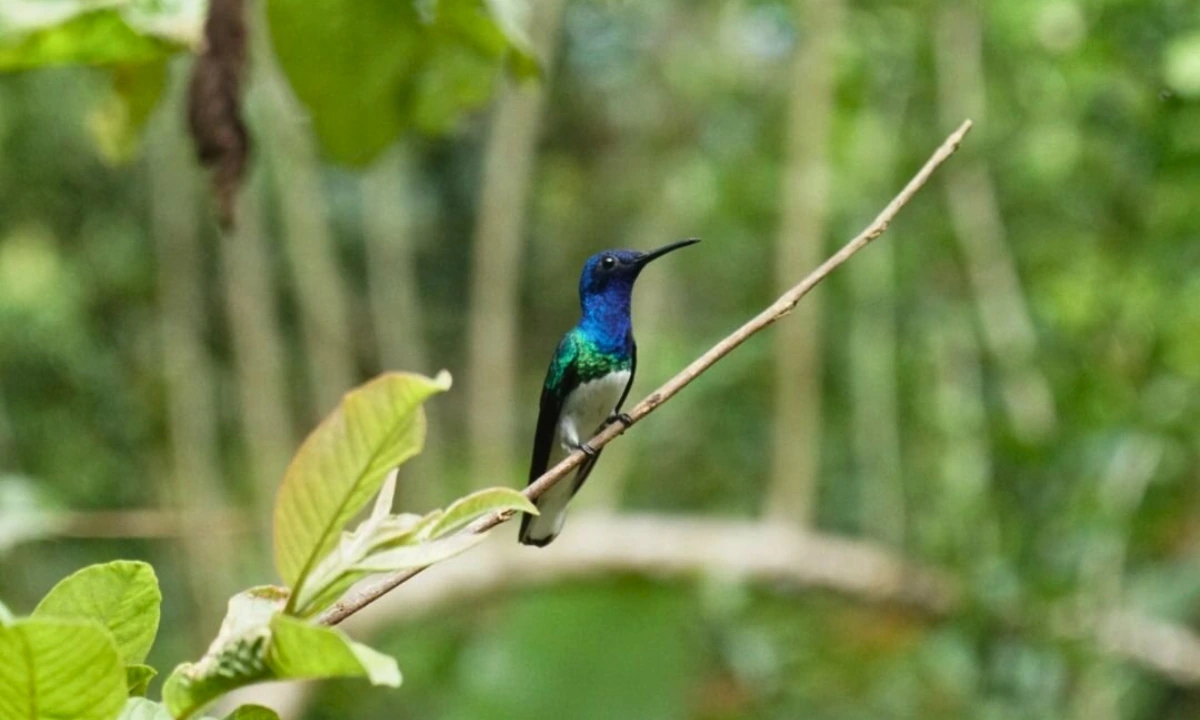
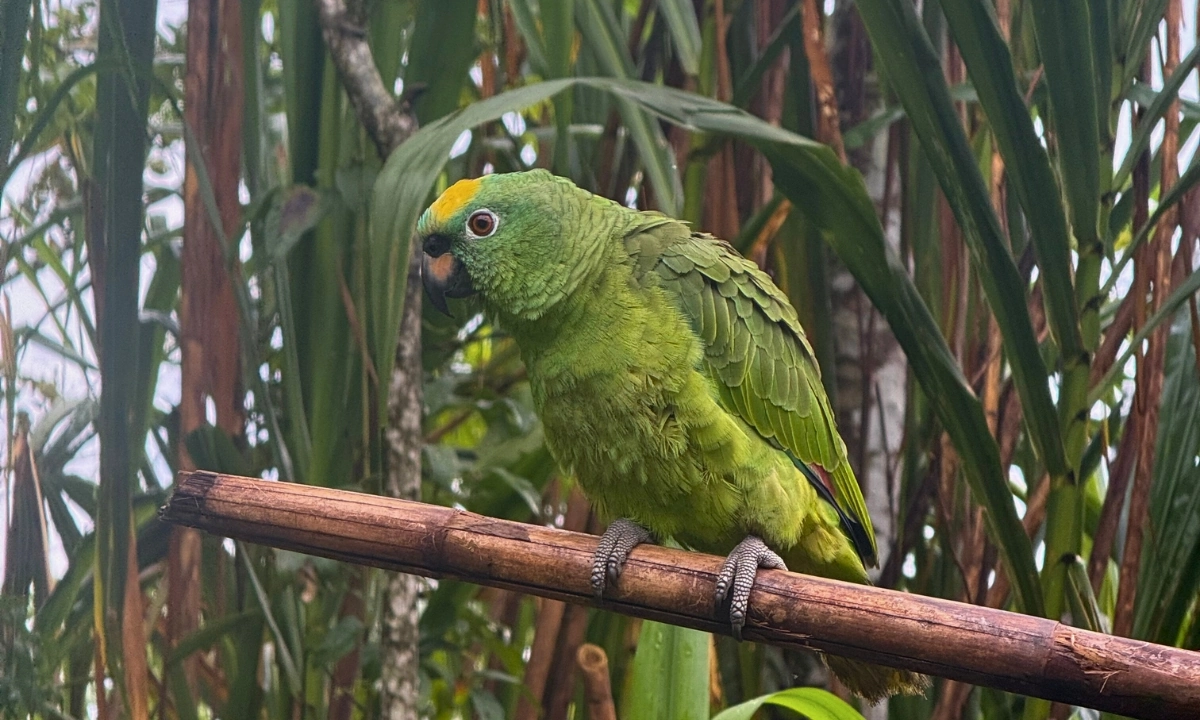
Birdwatching in Manu is an ideal activity for discovering the diversity of the Peruvian Amazon. Located between the Andes and the rainforest of Madre de Dios, Manu is known for its extraordinary biodiversity and is part of the UNESCO World Heritage Site. Its different ecosystems are home to more than 1,030 bird species, including macaws, parrots, toucans, eagles, hummingbirds, and the iconic Andean cock-of-the-rock. Accompanied by naturalist guides, you can observe these species in their natural habitat, from mountain cloud forests to the rivers and oxbow lakes of the lowland rainforest.
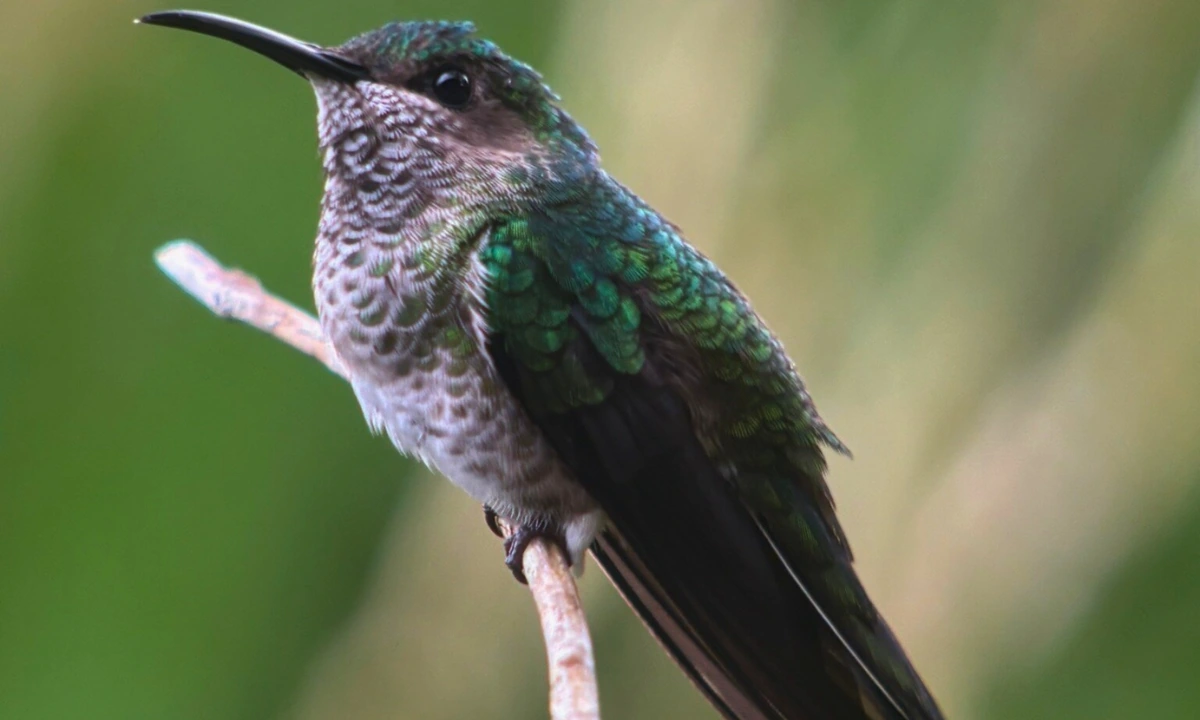
What Is a Birdwatching Tour in Manu?
Birdwatching in Manu is a nature tourism activity that involves observing and identifying wild birds in their natural habitat. During these tours, visitors explore trails, rivers, oxbow lakes, and forests accompanied by specialized guides, using binoculars and cameras to identify different species.
The Manu Biosphere Reserve encompasses various ecosystems, from the cloud forests of the Andes to the Amazonian lowland rainforest. This variety of environments is home to a wide diversity of birds, including the iconic Andean cock-of-the-rock, macaws, parrots, toucans, kingfishers, and birds of prey.
Each excursion offers different opportunities to observe birds and learn to recognize their colors, plumage, and calls. With patience and guidance from a guide, you can discover the richness of Manu’s birdlife and enjoy its natural landscapes.
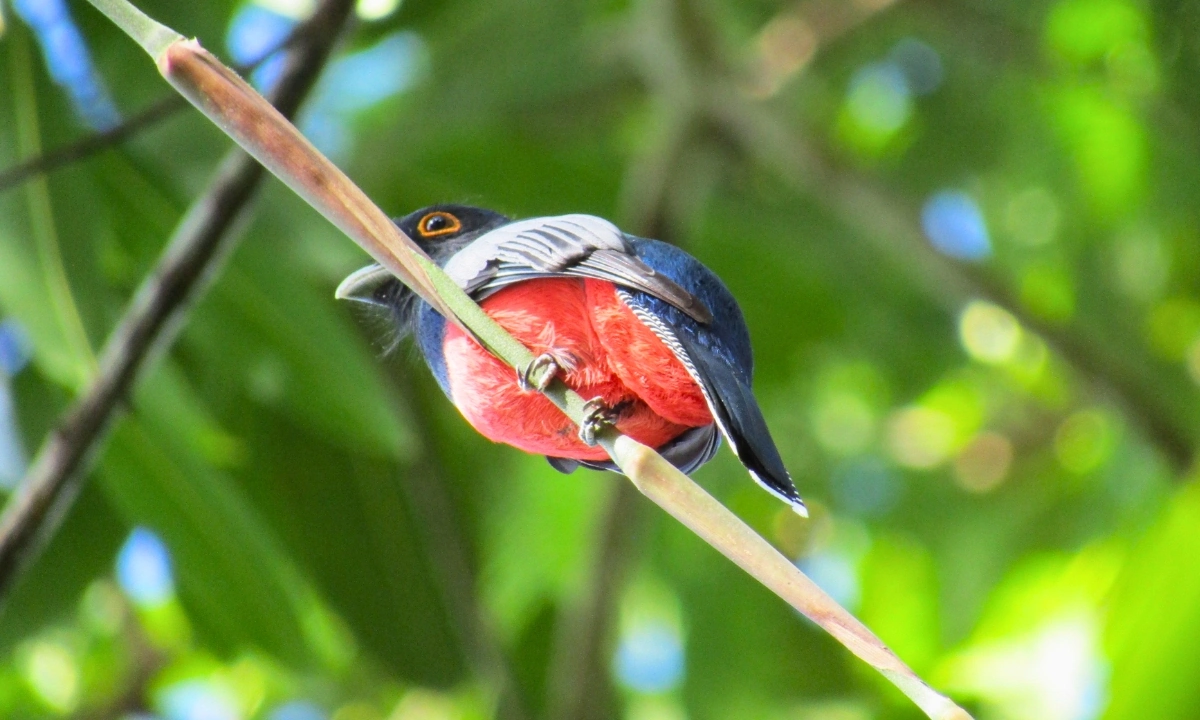
Places to Watch Birds in Manu
Birdwatching in Manu takes place in different ecosystems, from the cloud forests of the Andes to the Amazonian lowland rainforest. Here are some of the main places to watch birds:
- Paucartambo and Tres Cruces Cloud Forest: This area offers opportunities to observe the Andean cock-of-the-rock and other mountain birds.
- Route to Atalaya: Its montane forests offer opportunities to spot toucans, quetzals, and other species.
- Rivers of Manu: Along the banks of the Alto Madre de Dios River, you can observe kingfishers, herons, and other waterbirds.
- Manu Reserved Zone: Its tropical forests and trails are home to a wide diversity of Amazonian birds. Access is subject to the protection regulations of Manu National Park.
- Cocha Salvador and Cocha Otorongo: These forest-surrounded lakes offer opportunities to observe waterbirds and forest birds, such as herons, cormorants, and hoatzins.
- Pakitza: This sector of the reserved zone offers opportunities to explore different habitats and observe birds of the lowland rainforest.
- Parrot and Macaw Clay Licks: These clay walls attract numerous birds, especially during the early morning hours. Blanquillo Clay Lick is one of the well-known places to observe macaws in the Manu region.
Birdwatching Tours in Manu
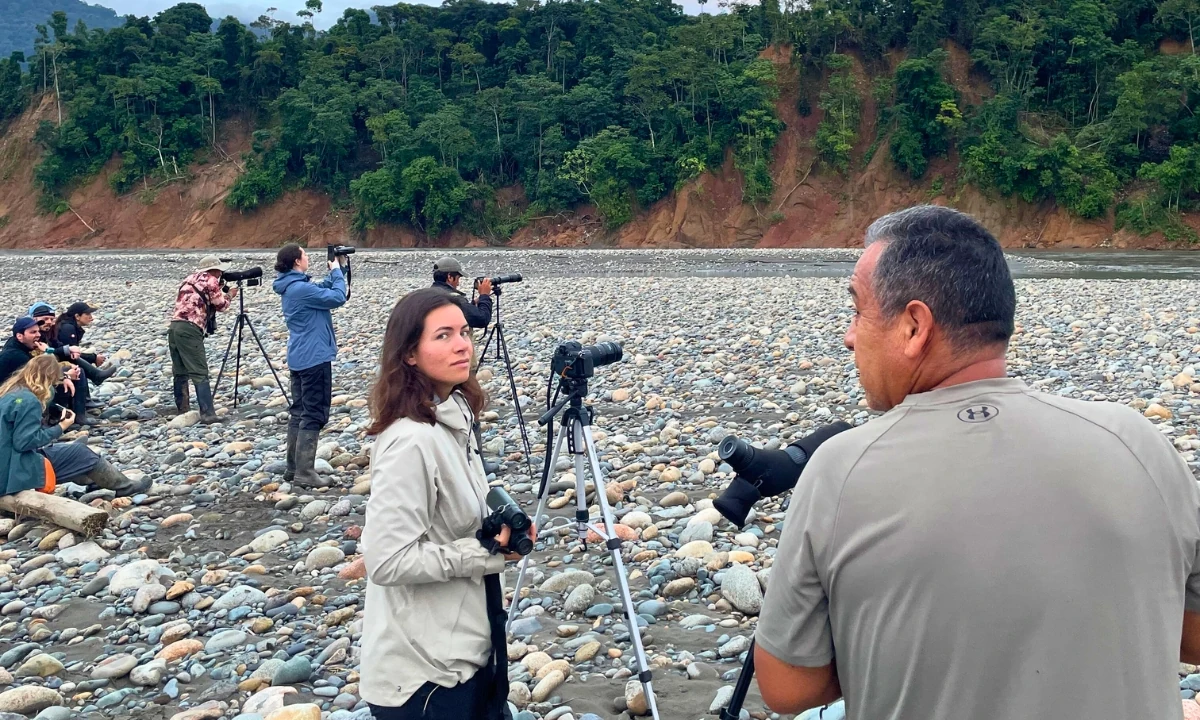
If you’re looking for birdwatching in Manu, there are specialized tours that combine excursions through different ecosystems, from the Andes and cloud forests to the lowland rainforest and the restricted zone of Manu National Park. Here are three options for watching and photographing birds during your trip:
- Birdwatching and Photography Tour in Manu (13 Days): A comprehensive expedition that explores different ecosystems, from the Andes to Manu’s restricted zone. It includes strategic locations for observing condors, hummingbirds, toucans, and macaws.
- Birdwatching and Photography Tour in Manu (7 Days / 6 Nights): Combines Andean wetlands, cloud forests, and lowland rainforest, with guided hikes and specialized locations for observing and photographing birds from different habitats.
- Manu Rainforest Photography Tour (5 Days / 4 Nights): Ideal for nature photography enthusiasts, this tour includes visits to a macaw clay lick and a mammal clay lick, as well as excursions through the tropical forest to observe wildlife.
Essential Packing List for Birdwatching in Manu
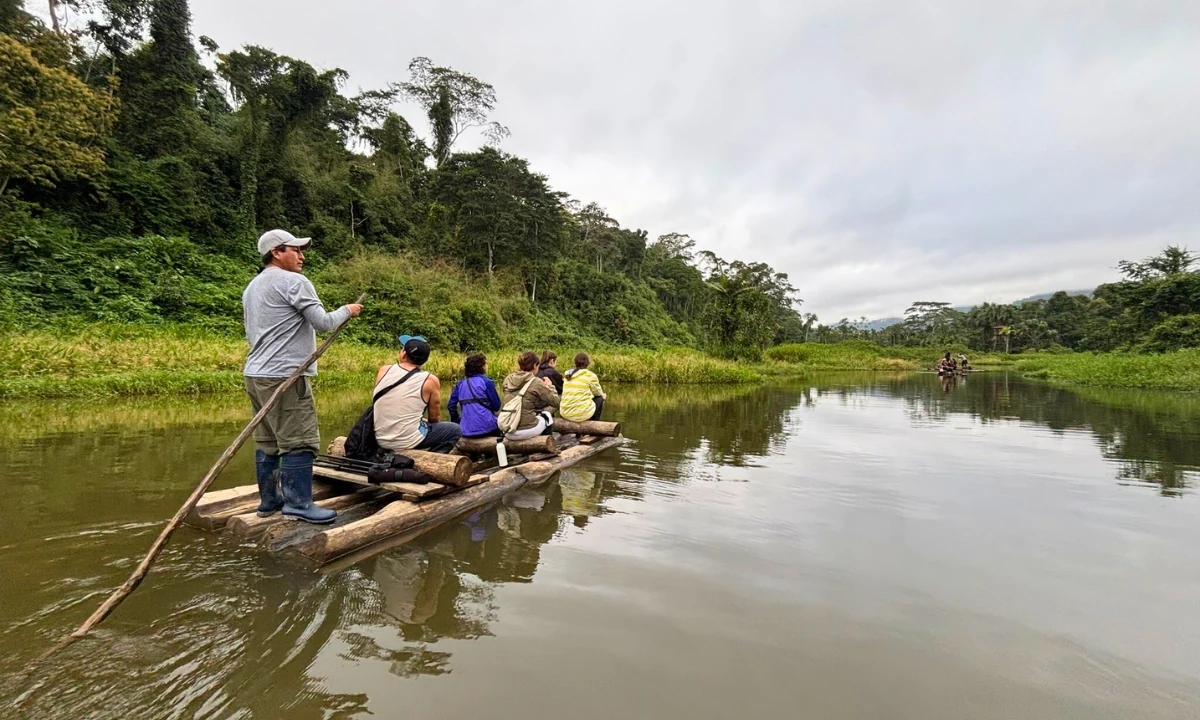
- Binoculars and camera: Bring binoculars to identify birds at a distance and a camera with a telephoto lens if you want to photograph them.
- Appropriate clothing: Wear lightweight, breathable, quick-drying clothing, preferably in neutral colors. Also bring long pants, long-sleeved shirts, and a hat.
- Rain jacket or poncho: Rain may occur during the excursion, so a lightweight waterproof jacket is useful.
- Hiking footwear: Choose sturdy, comfortable boots with good traction for walking on wet trails and uneven terrain.
- Sun protection and insect repellent: Bring sunscreen, sunglasses, and insect repellent to protect yourself during excursions.
- Accessories: Pack a headlamp, extra batteries, a waterproof bag to protect your equipment, and a reusable bottle for drinking water.
- Personal essentials: Bring a small backpack, a basic first-aid kit, your personal medications, and travel documents. Consult a healthcare professional before traveling if you need any specific preventive measures.
- Bird guide and notebook: A bird guide to Peru will help you identify species, while a notebook will allow you to record your sightings.
Tips for Birdwatching in Manu
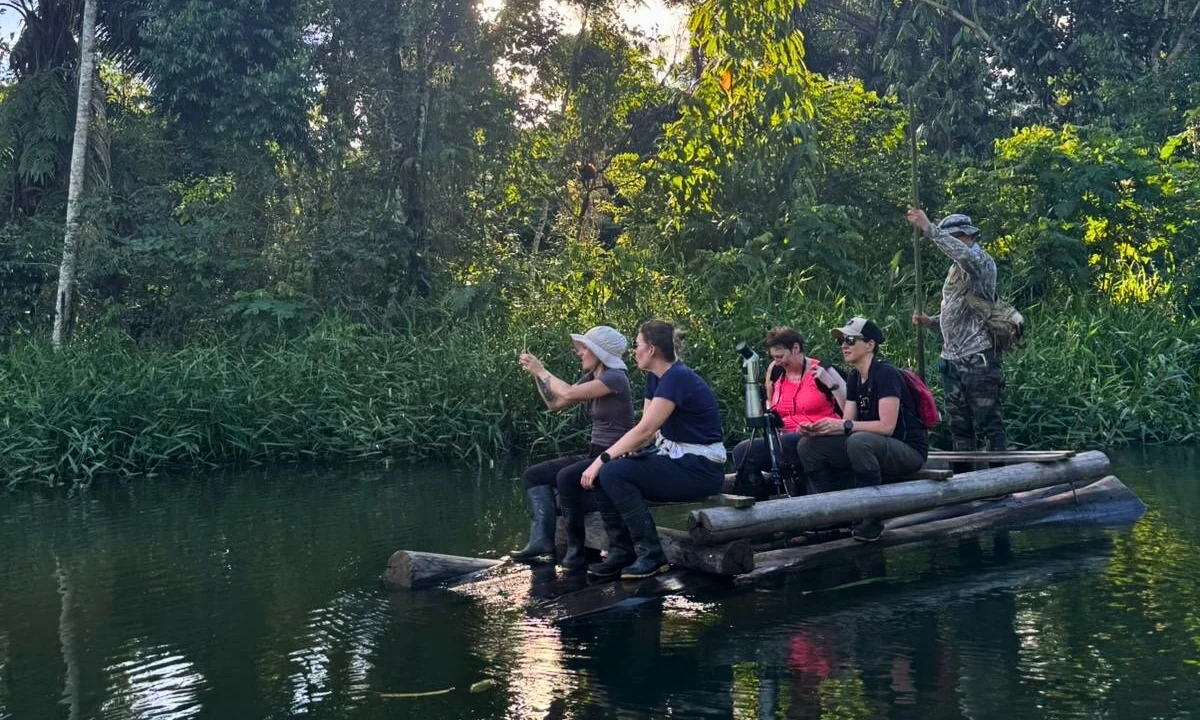
To make the most of your birdwatching trip in Manu, follow these recommendations and prepare to explore different ecosystems of the Peruvian Amazon.
- Hire specialized guides: Choose authorized operators with experience in birdwatching.
- Get an early start: The early morning hours are usually ideal for birdwatching.
- Keep quiet: Avoid sudden movements and maintain a safe distance from the birds.
- Stay hydrated: Bring drinking water and light snacks for your hikes.
- Bring a change of clothes: Humidity and sweat can leave your clothing wet.
- Be patient: Listen to bird calls and observe the vegetation to locate birds.
- Respect nature: Do not feed the animals or leave trash behind.
- Follow your guide’s instructions: Stay with the group and bring your personal medications.
Birdwatching expeditions in Manu allow you to explore different ecosystems, from the Andes to the Amazonian lowland rainforest, and observe a wide variety of species in their natural habitat. Choose the tour that best suits your schedule and interests, and contact us to plan your next trip to Manu.