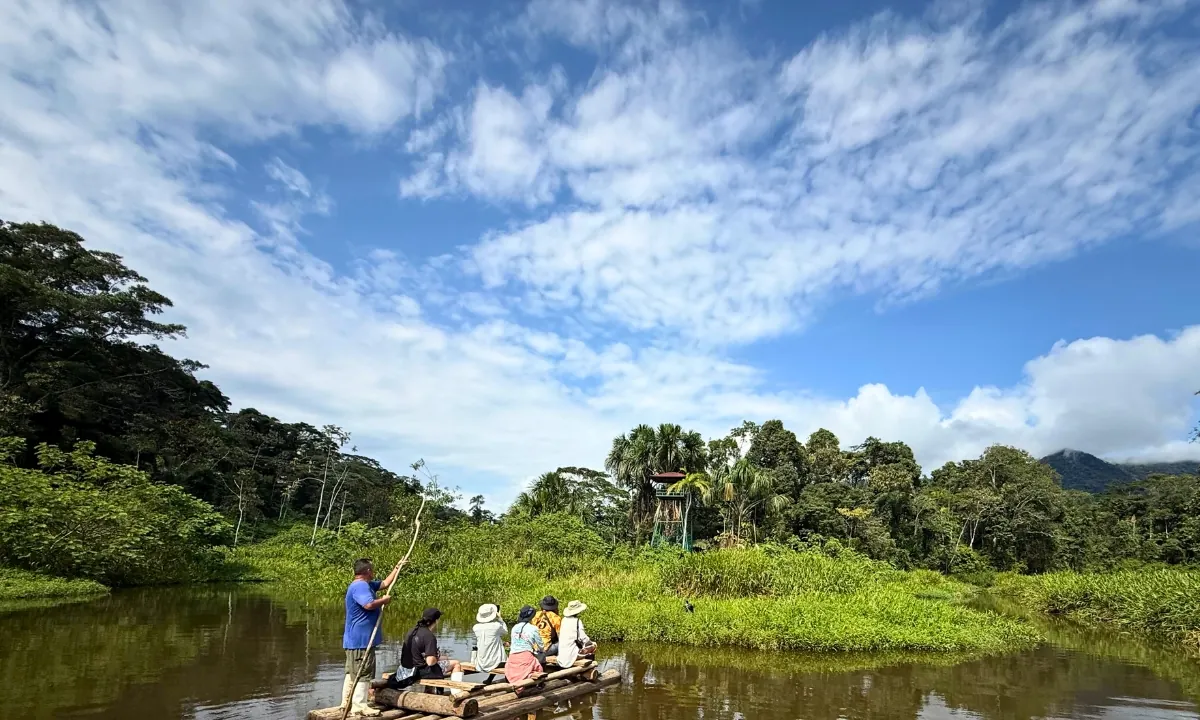
Manu National Park is one of the most biodiverse places in Peru because of its extraordinary wildlife diversity. If you plan to travel to the Peruvian Amazon, you can discover a wide variety of animals in their natural habitats, from birds and mammals such as monkeys to caimans and giant otters. The wildlife of Manu National Park makes this destination ideal for animal-watching enthusiasts, photographers, and travelers on rainforest expeditions.
The Three Zones of Manu and the Wildlife Found in Each Area
To understand how this protected area works, it is essential to distinguish between Manu National Park and the Manu Biosphere Reserve. The national park is the original protected area, but the biosphere reserve covers a much larger territory that includes areas inhabited by people and is divided into three specific zones.
Core Zone (or Intangible Zone)
This area is dedicated exclusively to scientific research and the protection of Indigenous peoples living in voluntary isolation. Traditional tourism is not permitted here. In this area, the wildlife of Manu National Park lives without human interference, allowing animals in the Peruvian Amazon to live freely.
Reserved Zone
This zone is designated for research as well as controlled tourism. Travelers enter with authorized tour operators to participate in wildlife-watching activities in Manu. Giant otters and black caimans can be seen in its rivers and oxbow lakes. The forests in this section are home to a great diversity of Amazonian mammals and birds.
Transition Zone (or Cultural Zone)
This is the surrounding area where local communities are located and where sustainable economic activities are permitted. This area is especially interesting because it extends from the high Andes to the lowland rainforest. Here, you can observe species adapted to montane forests and cloud forests, which are part of Manu’s biodiversity.
Wildlife of Manu National Park – Biodiversity
Manu’s biological diversity is the result of its varied ecosystems, which range from the Andean mountains and cloud forests to warm tropical lowlands. These changes in altitude and climate support the presence of numerous species. The wildlife of Manu National Park includes a wide variety of animals, from insects and amphibians to monkeys, birds, and large predators.
Mammals of Manu National Park
Scientists have recorded more than 220 mammal species in this territory. This figure represents one of the highest concentrations in the world for a protected area. The mammals of Manu National Park play vital roles as seed dispersers and regulators of ecosystems.
- Jaguar: The largest cat in the Americas, famous for its spotted coat and its ability to swim in the rivers of the lowland rainforest.
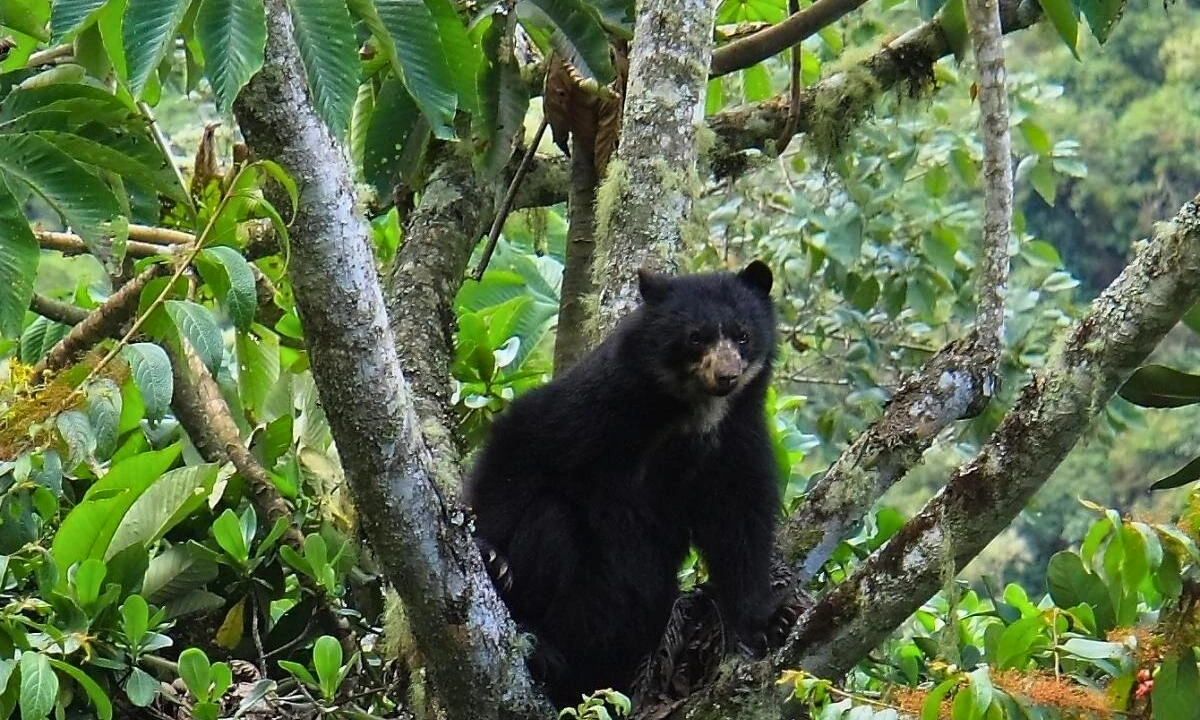
- Spectacled Bear in Manu: The only bear species in South America, which prefers to live in cloud forests and high mountain areas.
- Giant Otters of Manu: Aquatic mammals that live in family groups in the oxbow lakes or lagoons of the Reserved Zone.
- Amazonian Tapir: A large, heavy mammal with a short trunk-like snout that walks along the rainforest floor in search of leaves and fruit.
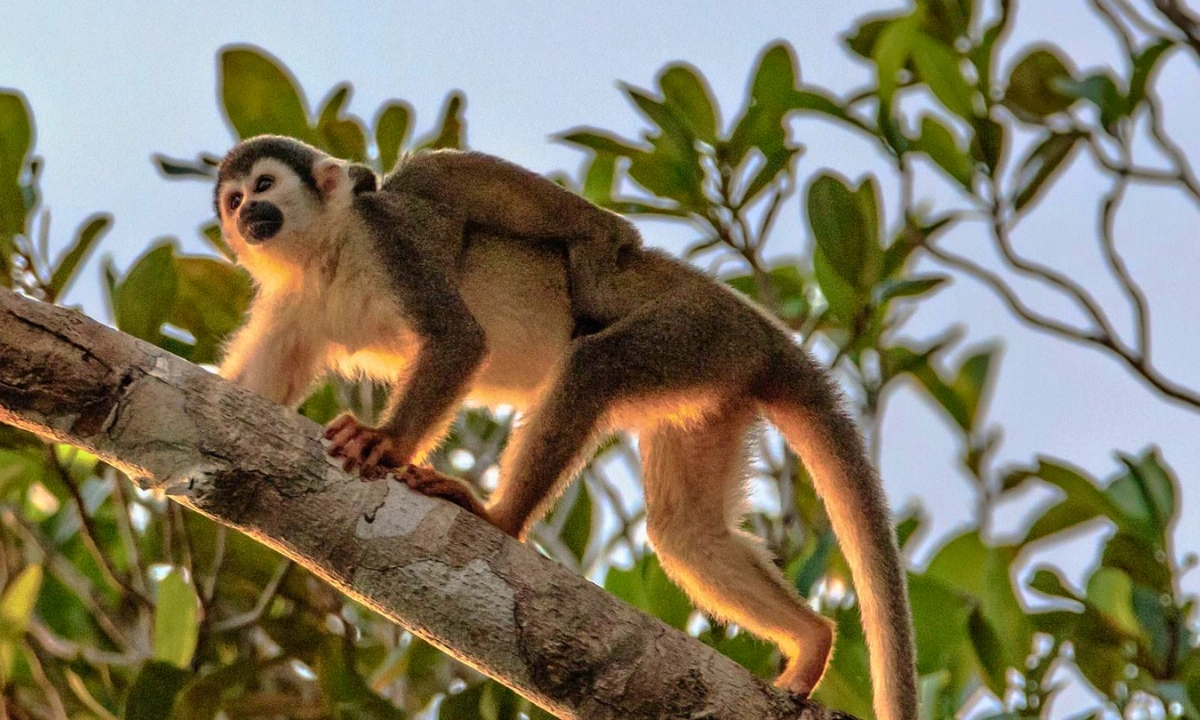
- Spider Monkey: One of the most iconic monkeys in Manu, known for using its long tail as if it were an extra arm.
- Capybara: The largest rodent in the world, which often rests on riverbanks in large groups.
Birds of Manu National Park
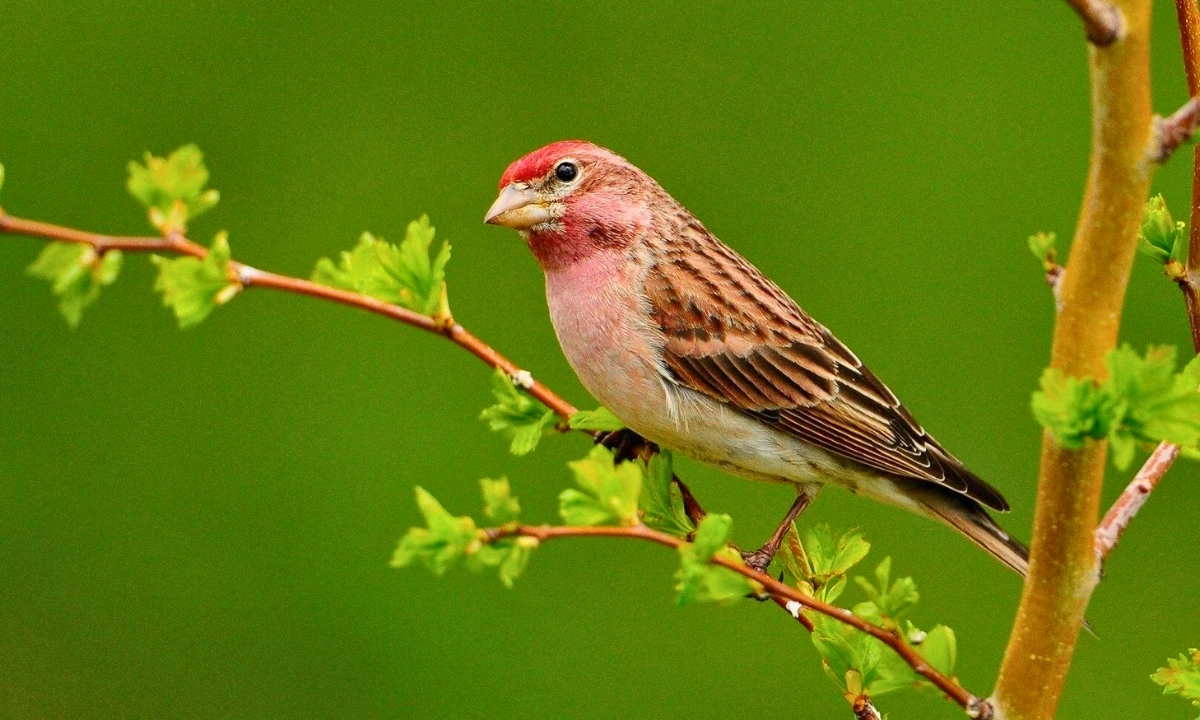
Manu is a true paradise for birdwatchers, with more than 1,000 recorded species across its different elevations. The birds of Manu National Park fill the forest with songs and colors from dawn. It is important to correctly distinguish Manu’s parrots and macaws from other Amazonian bird families, such as toucans and the less common flycatcher families.
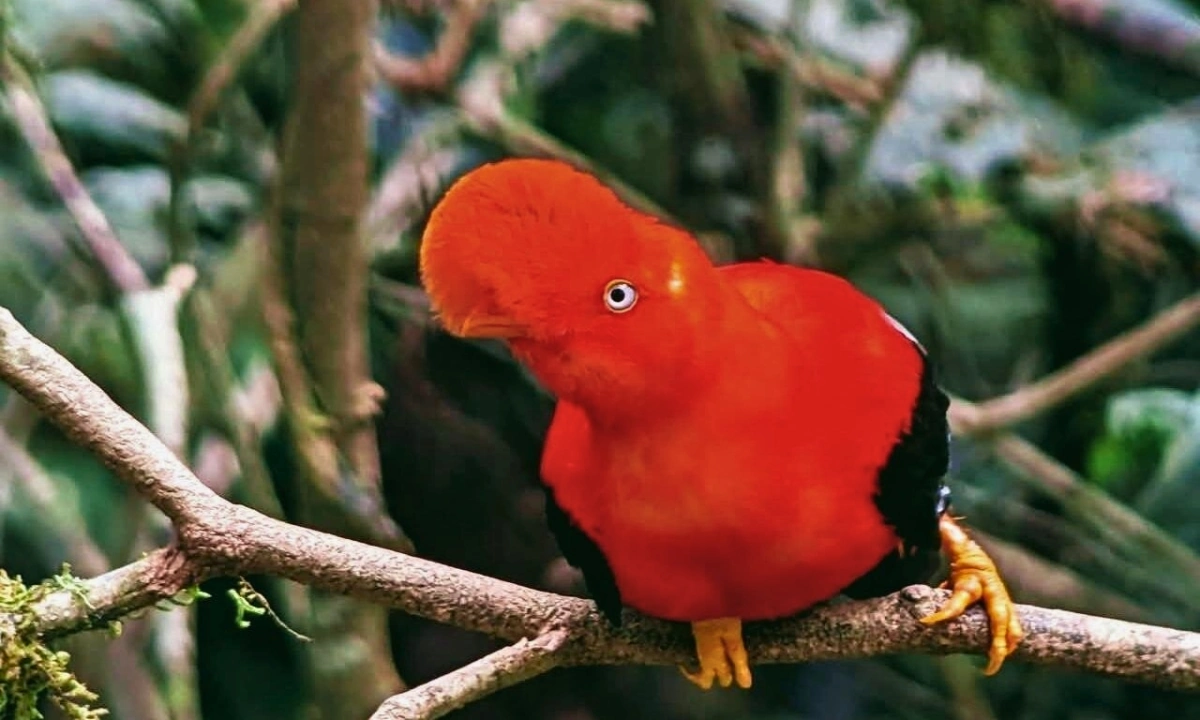
- Andean Cock-of-the-Rock in Manu: Peru’s national bird, whose males have a bright red color and gather in montane forests.
- Red-and-Green Macaw: A large bird from the parrot family, famous for its colorful plumage and for visiting clay licks.
- Blue-headed Parrot: A bird smaller than macaws that also belongs to the parrot family (Psittacidae) and is commonly seen in the rainforest skies.
- Harpy Eagle: One of the most powerful birds of prey in the world, which hunts in the canopy of the tallest trees.
- Channel-billed Toucan: A bird known for its large, lightweight bill, which it uses to reach fruit on thin branches.
- Agami Heron: A beautiful aquatic bird with striking colors that walks cautiously along the edges of Amazonian rivers.
Reptiles and Amphibians of Manu National Park
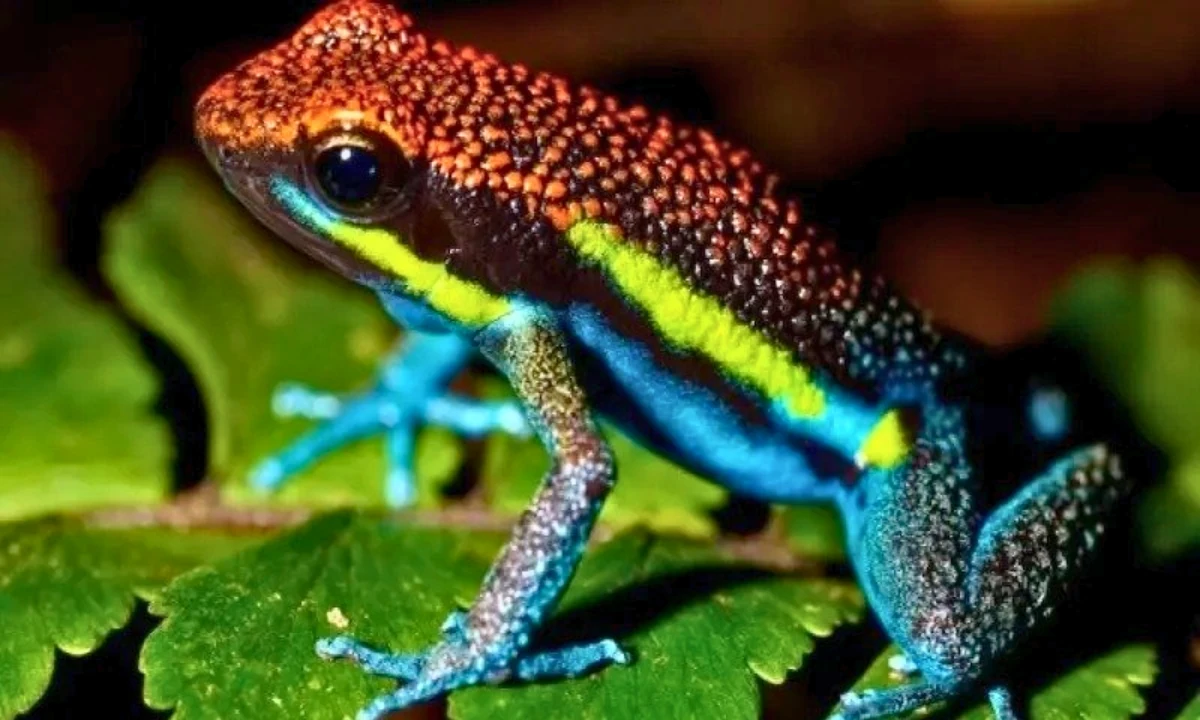
The park is home to an impressive number of cold-blooded animals. More than 150 reptile species in Manu are estimated to live here, along with a similar number of amphibian species in Manu. These small and medium-sized animals are key indicators of tropical forest health.
- Black Caiman: The largest reptile in the Amazon, which can grow several meters long and rests in lagoons.
- Yellow-spotted River Turtle: A freshwater turtle that often basks in the sun on floating logs in Amazonian rivers.
- Boa Constrictor: A large, nonvenomous snake that uses its body to capture its prey in trees.
- Poison Dart Frog: A small amphibian with very striking colors that warns predators about the toxins in its skin.
- Red-eyed Tree Frog: A nocturnal amphibian that spends its life on the leaves of plants in the humid rainforest.
- Spectacled Caiman: A reptile smaller than the black caiman, commonly found in the park’s streams and smaller waterways.
Frequently Asked Questions About Wildlife in Manu National Park
1. What is the best time of year to see animals in Manu?
The best time to see animals in Manu is during the dry season, from May to October. There is less rainfall during these months, and river levels drop, which can make it easier to spot wildlife in Manu National Park.
2. What should I bring for wildlife watching in Manu?
Bring lightweight, long-sleeved clothing in neutral colors to protect yourself from insects without attracting the animals’ attention. Also pack binoculars, a camera, mosquito repellent, sunscreen, a hat, and waterproof footwear for hiking.
3. Can you see jaguars on tours to Manu?
Yes, jaguars live in the park’s lowland rainforest. Although wildlife in Manu National Park is abundant, this big cat is difficult to spot. Excursions through the Reserved Zone offer opportunities to see jaguars on river beaches, but an encounter cannot be guaranteed.
4. What is the difference between parrots and macaws in Manu?
Macaws are large birds with very long tails and strong bills, while parrots are usually smaller and have short, rounded tails. Both belong to the parrot family, Psittacidae, and are part of the wildlife of Manu National Park.
Plan Your Trip to See Wildlife in Manu National Park
Explore the wildlife of Manu National Park and observe birds, mammals, and other animals in their natural habitat. If you are passionate about nature and want to experience an adventure in the Peruvian Amazon, contact us and book your wildlife-watching tour in Manu. Check our itineraries, departure dates, and included services to choose the experience that best suits your interests.