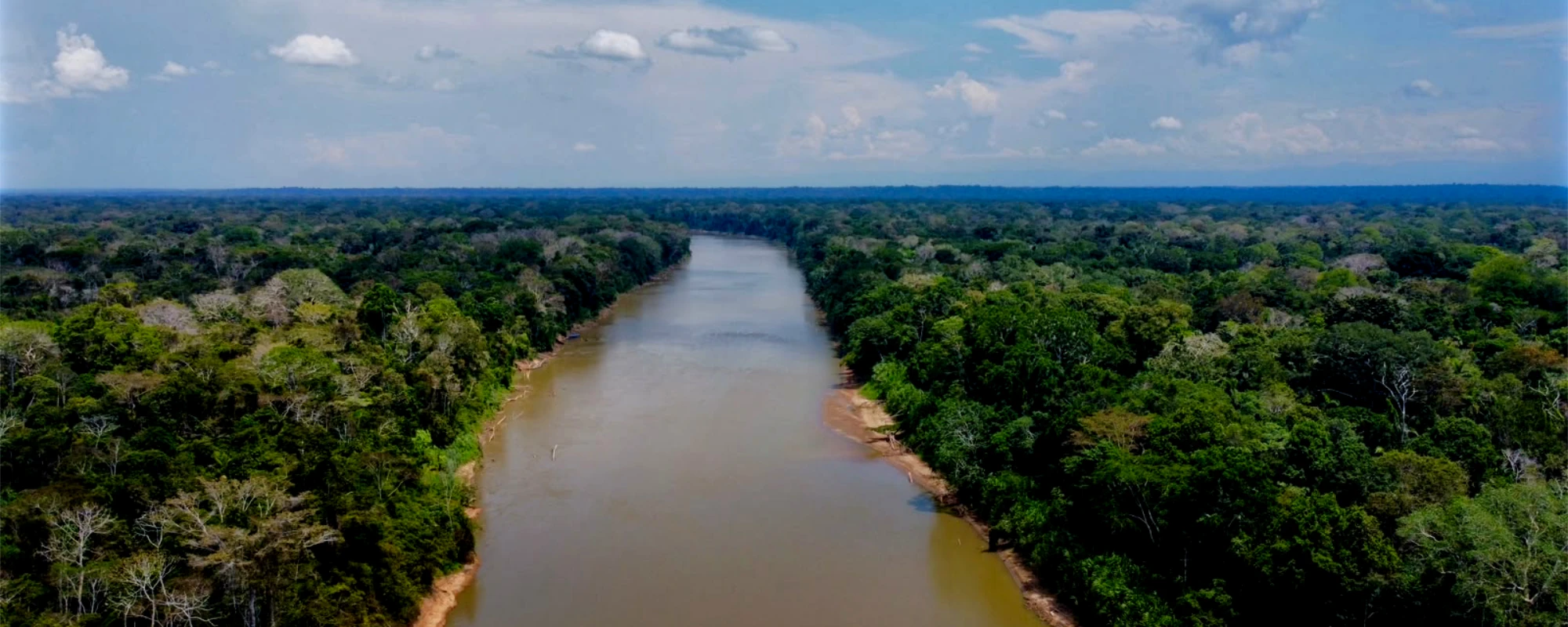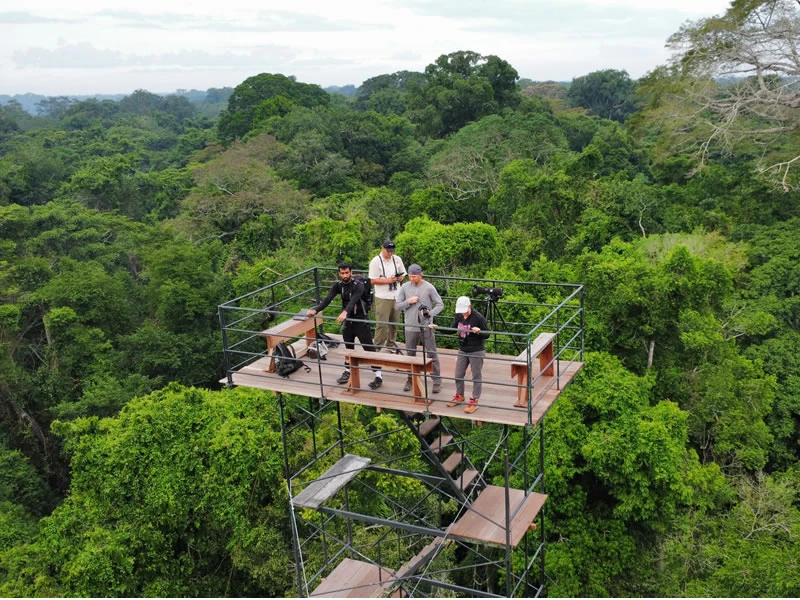
Located between the regions of Cusco and Madre de Dios, Manu National Park is internationally recognized as one of the places with the highest concentration of biodiversity on Earth. Declared a UNESCO World Heritage Site in 1987, it protects the entire Manu River watershed.
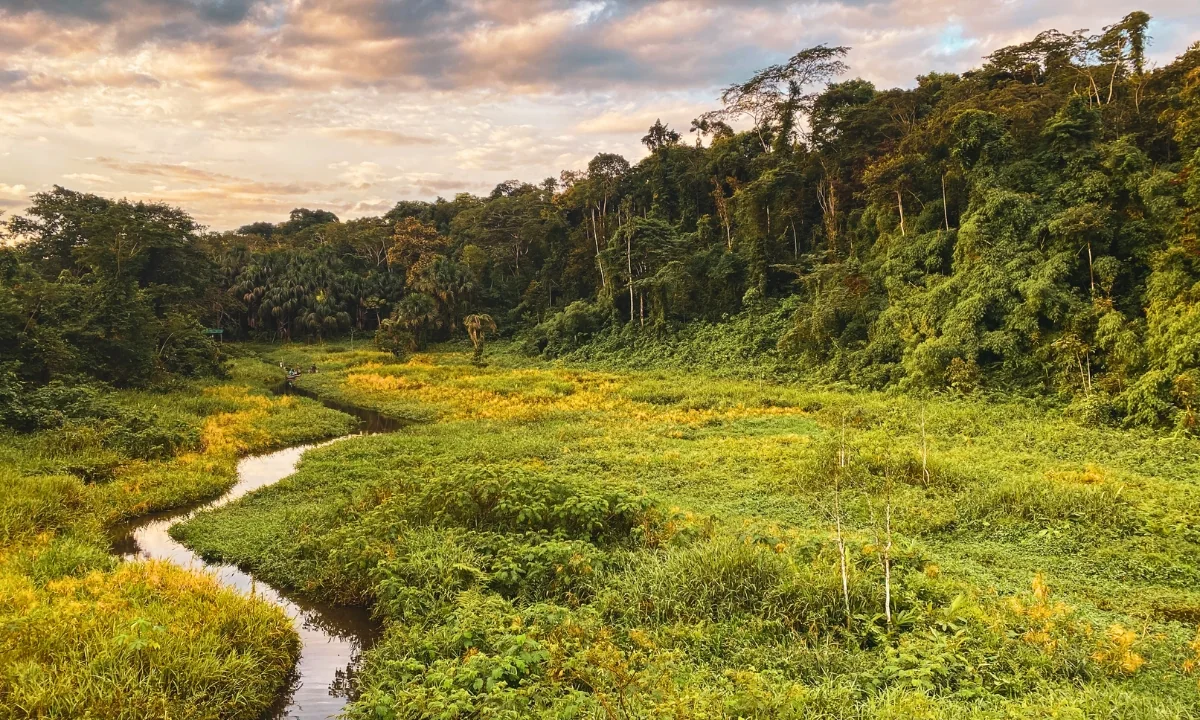
Its extraordinary biological richness lies in its dramatic altitudinal gradient, descending continuously from the cold high-Andean grasslands of the high-altitude Puna, at over 4,000 meters above sea level, through mysterious cloud forests, before reaching the lush lowland tropical Amazon rainforest at an elevation of 300 meters.
Thanks to its difficult access and historical geographical isolation, Manu has preserved pristine and untouched ecosystems. In addition to serving as a last refuge for endangered species, it is home to ancestral Indigenous communities such as the Matsigenka and Yine, as well as Indigenous peoples living in voluntary isolation, who maintain a millennia-old relationship of harmony with the forest.
Officially established as a National Park in 1973 (and expanded in 1977). It covers a total area of 1,909,800 hectares (19,098 km²), encompassing the entire Manu River basin.
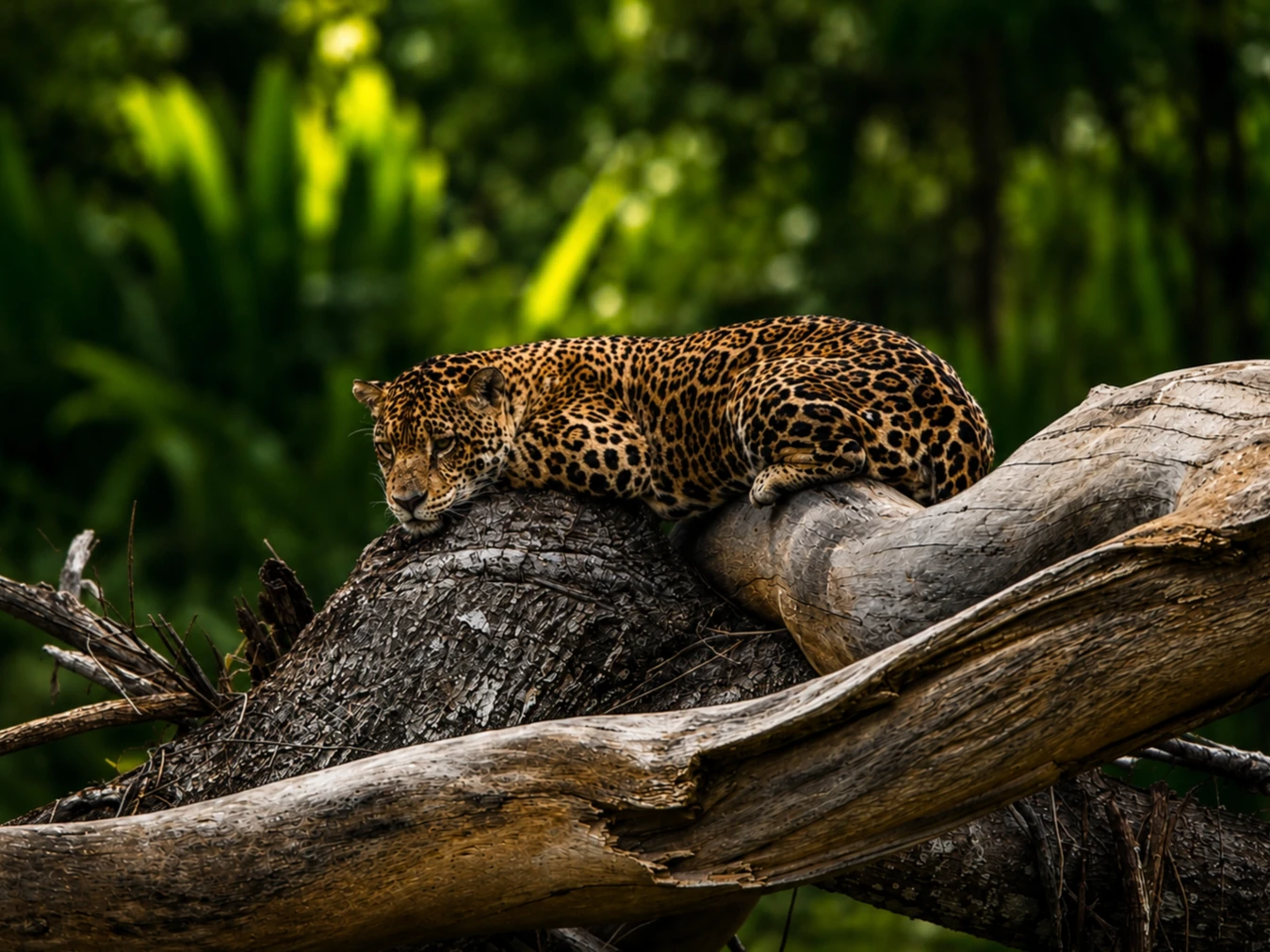
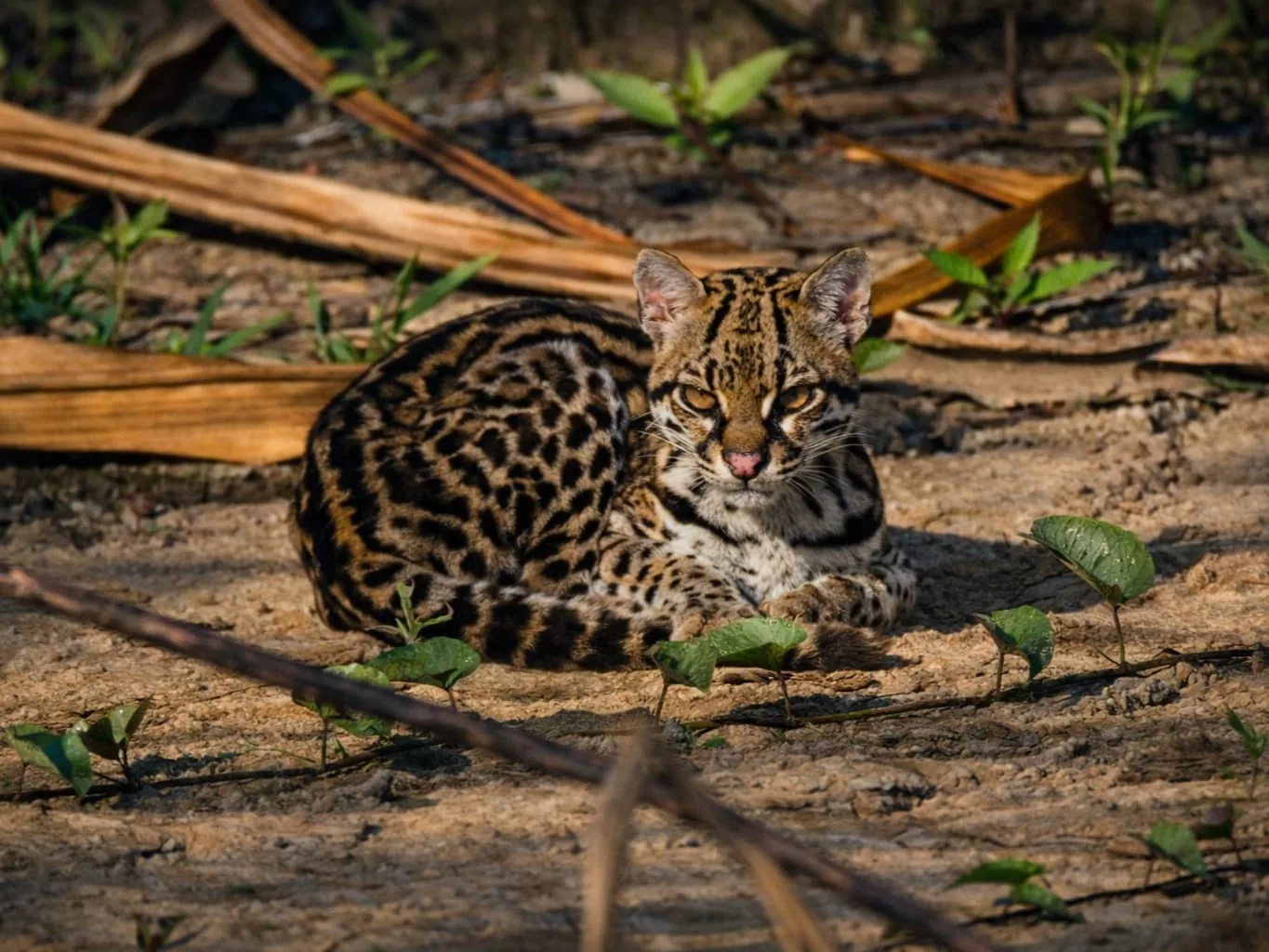
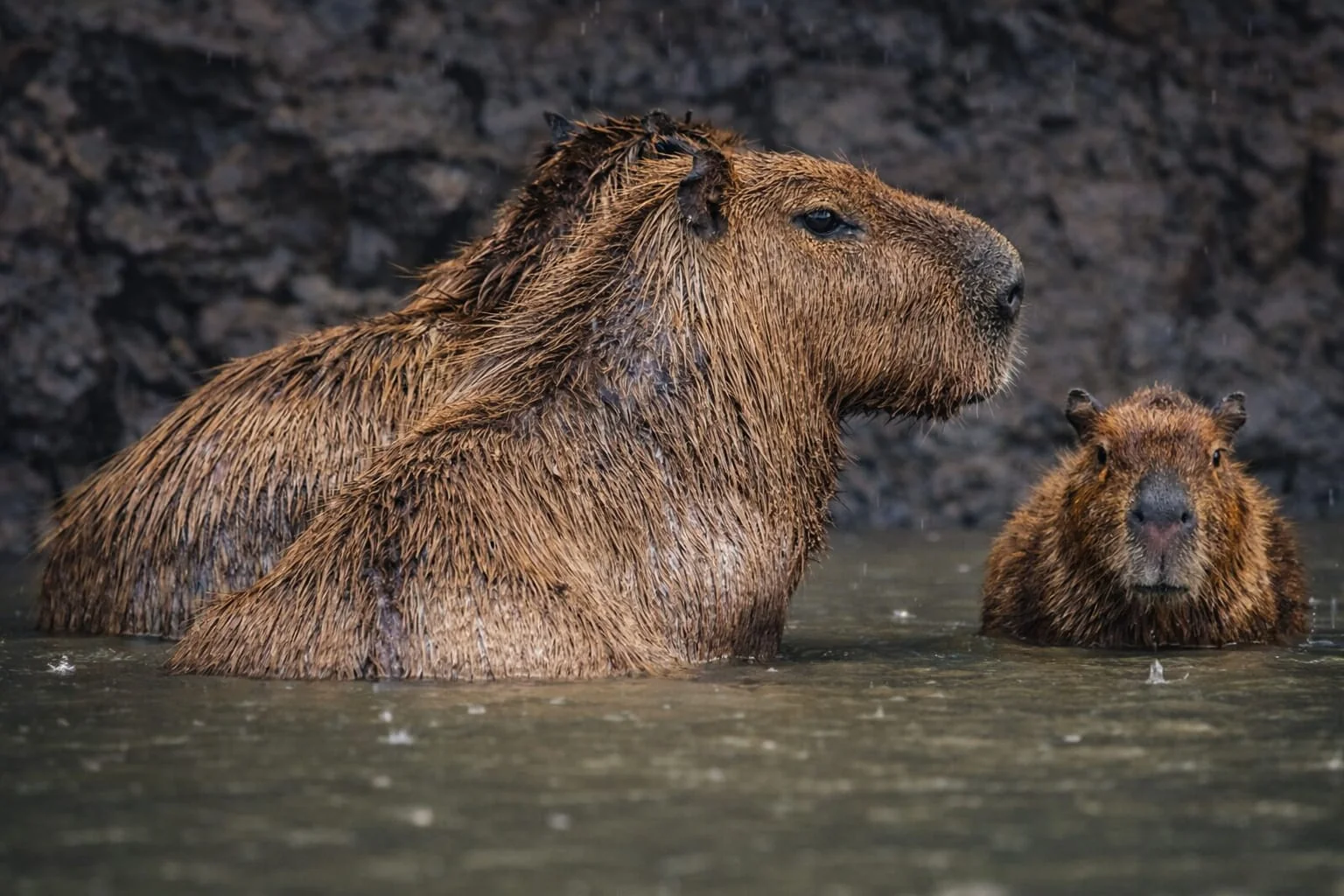
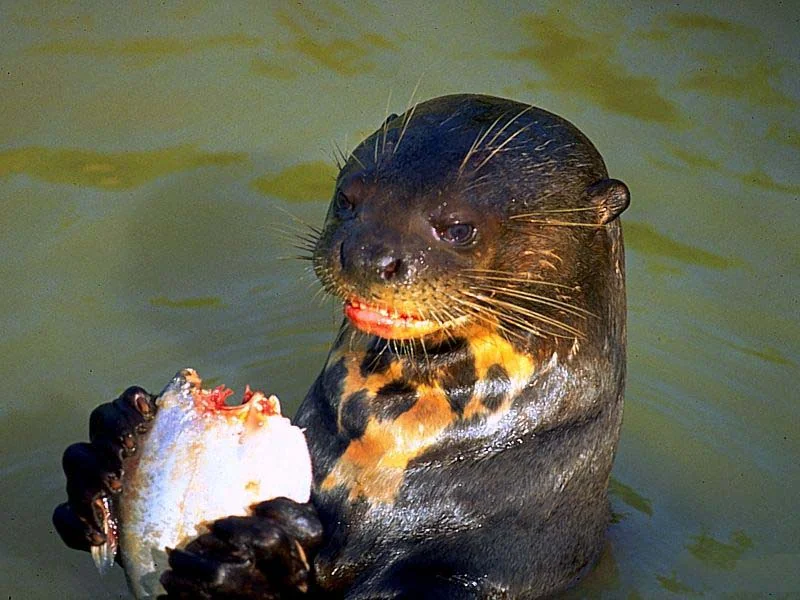
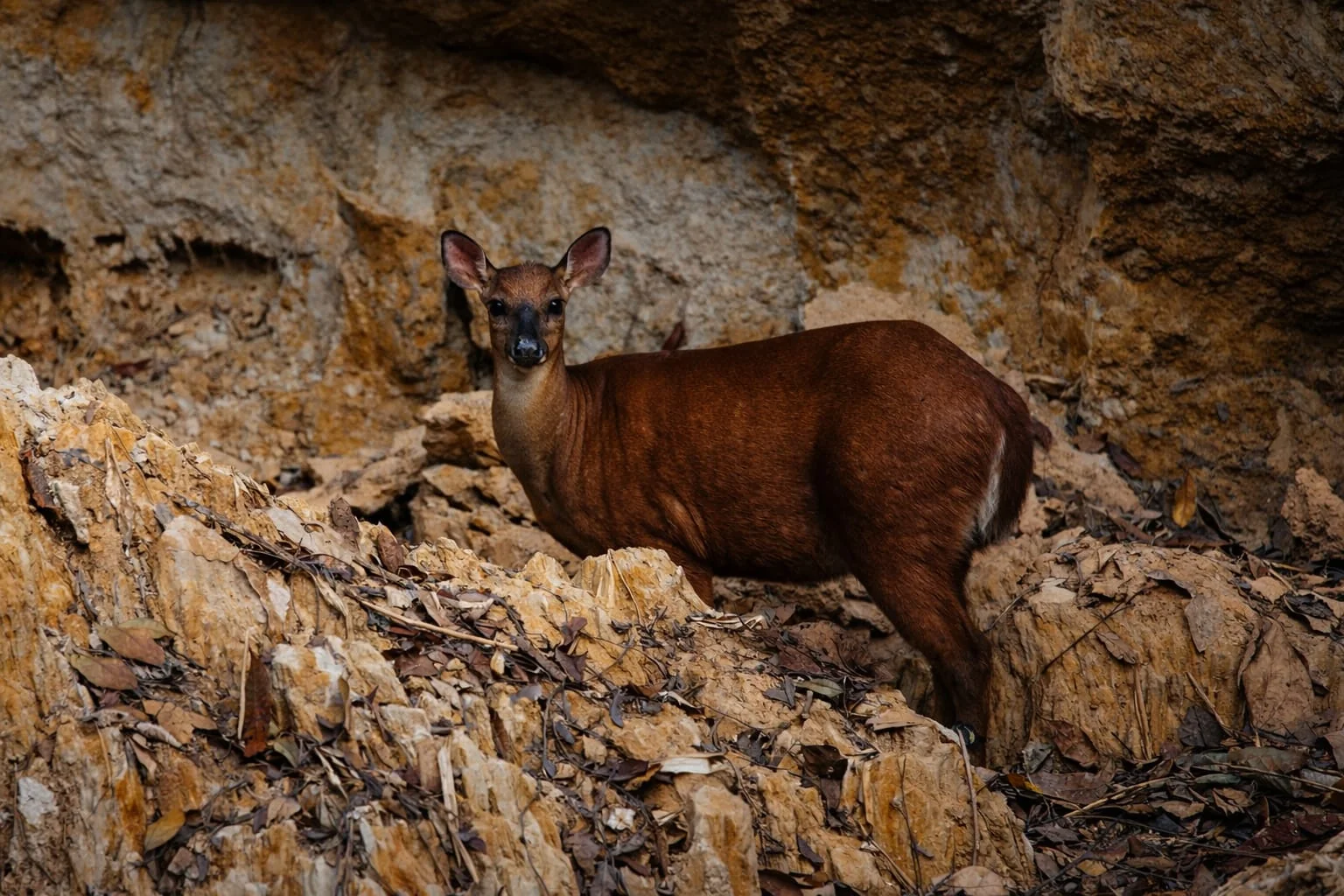
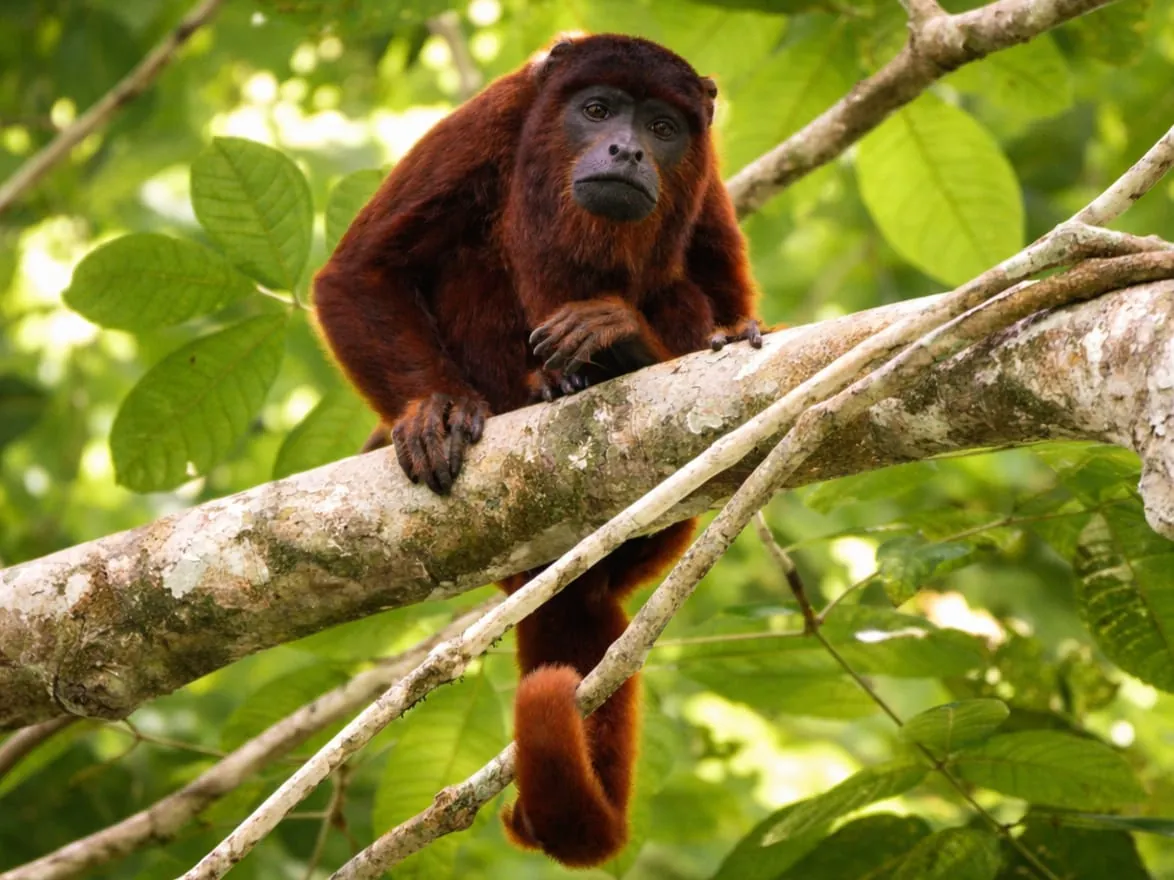
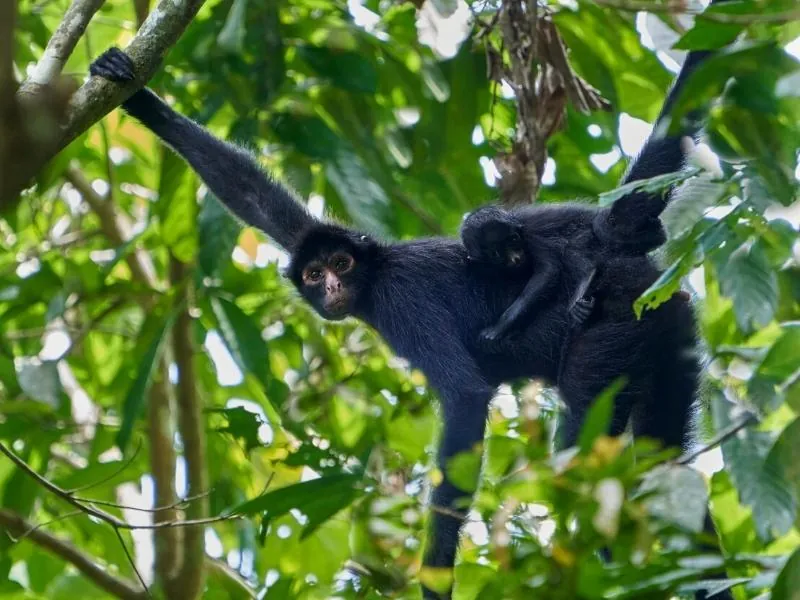
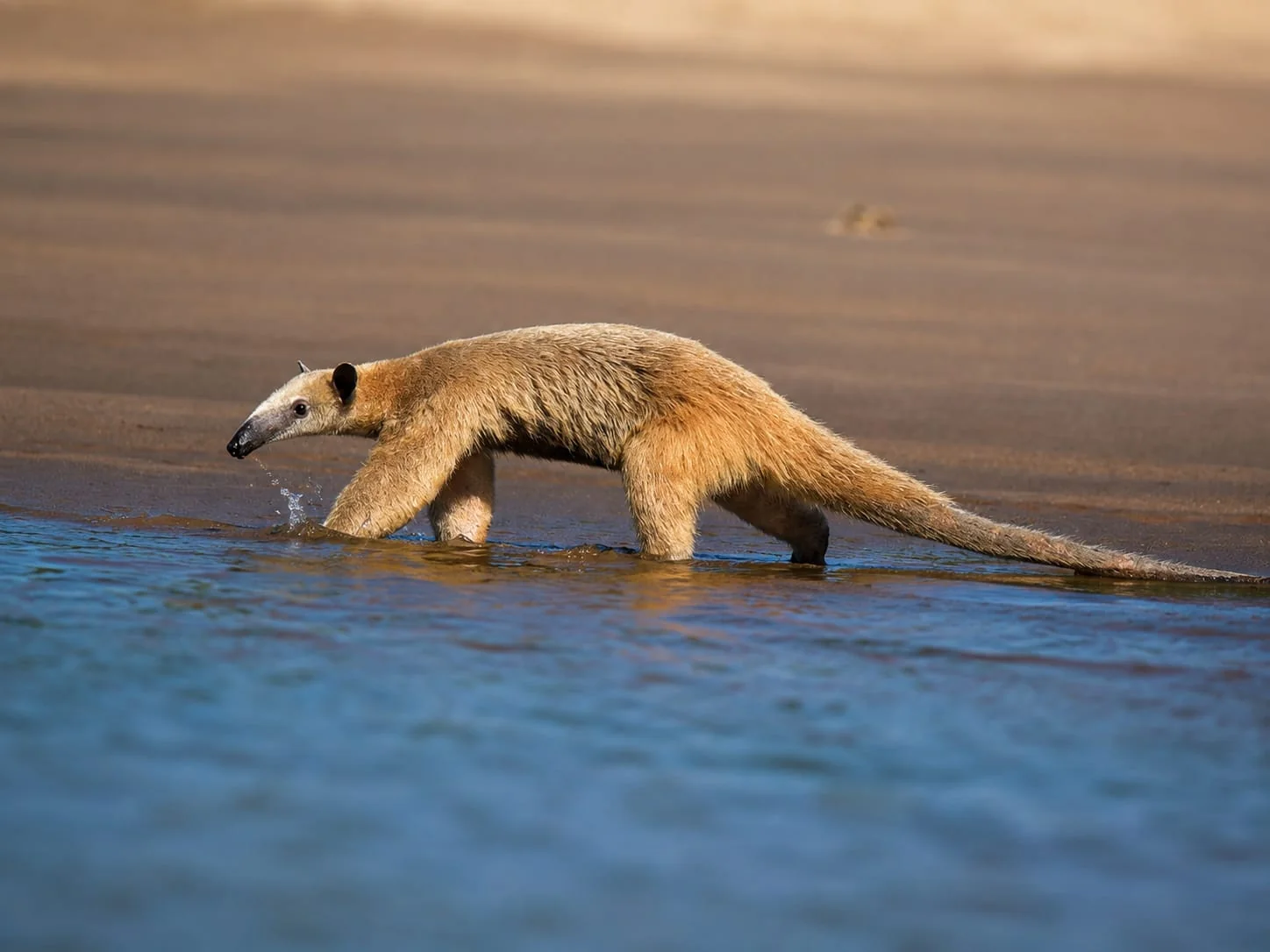
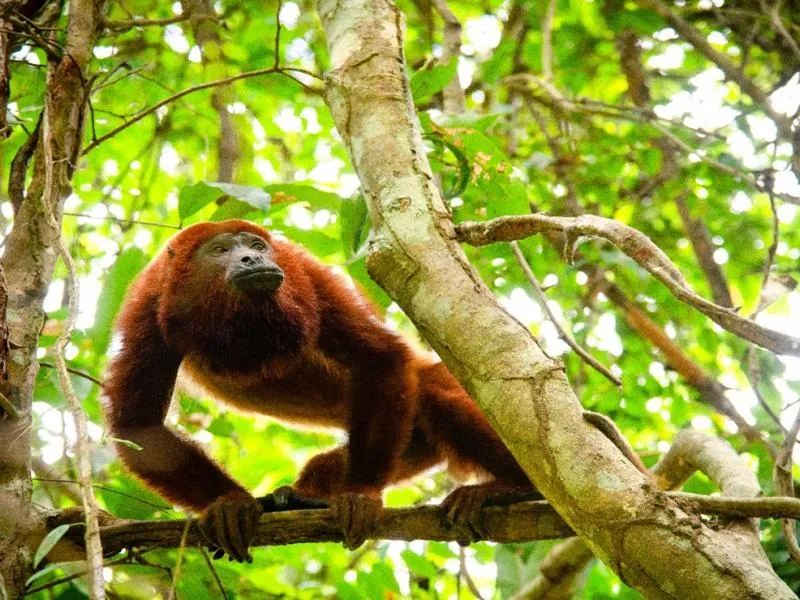
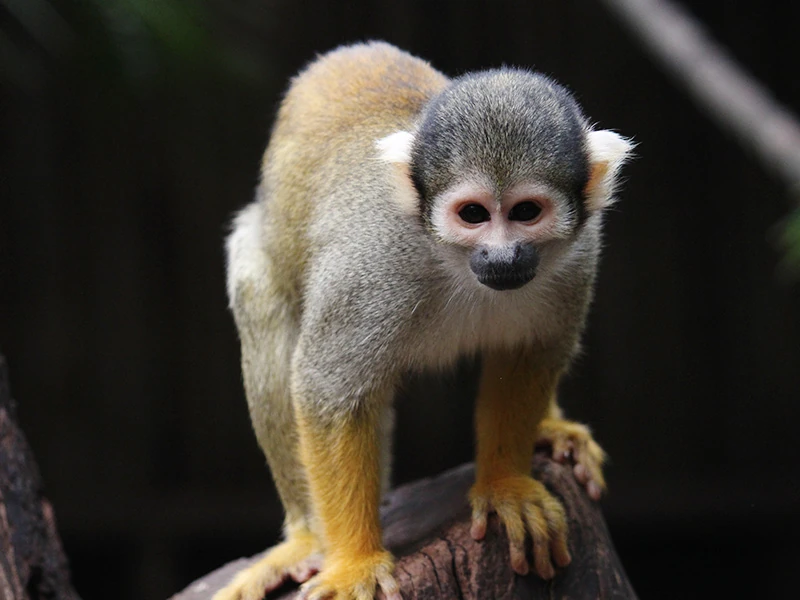
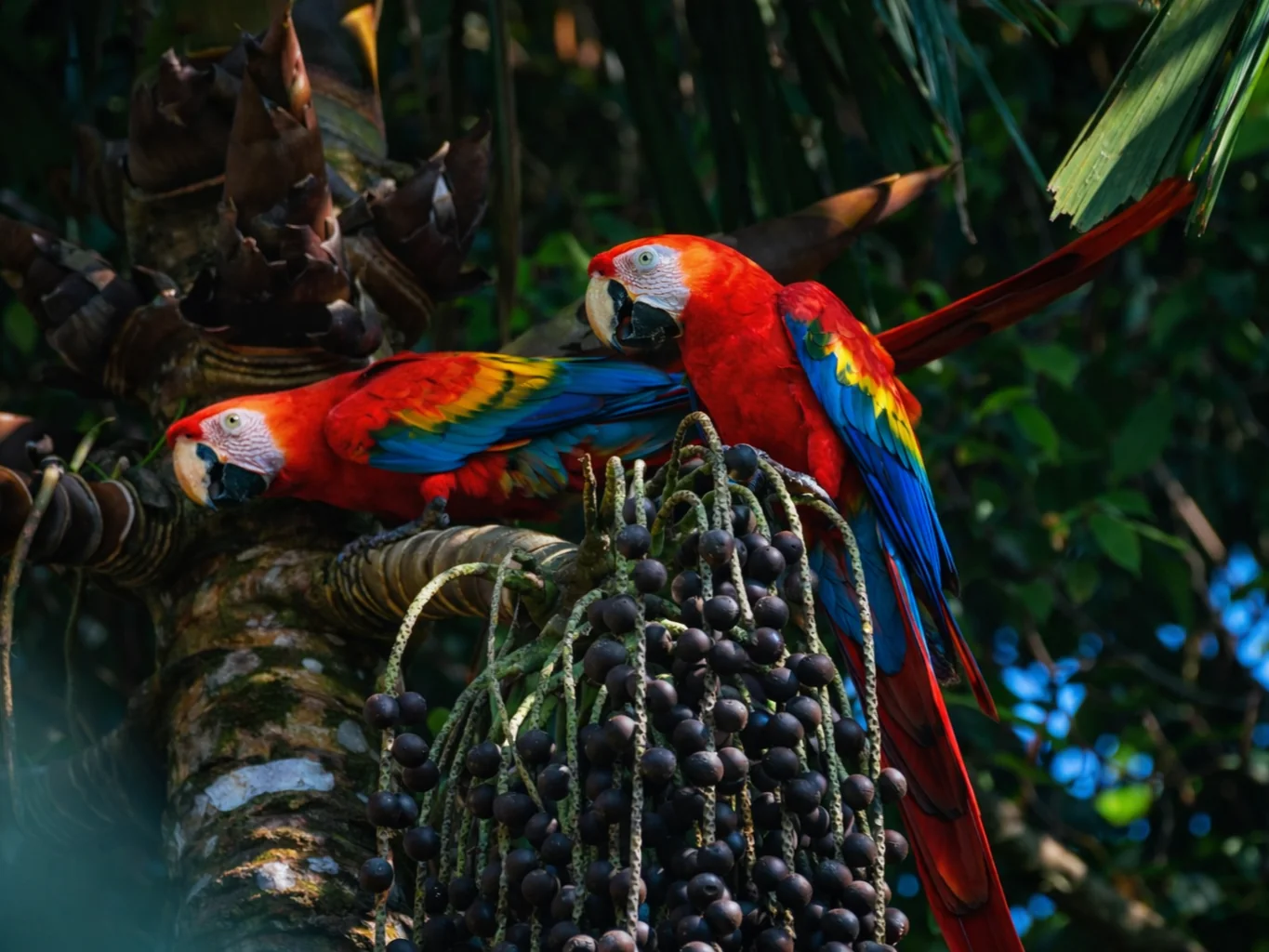
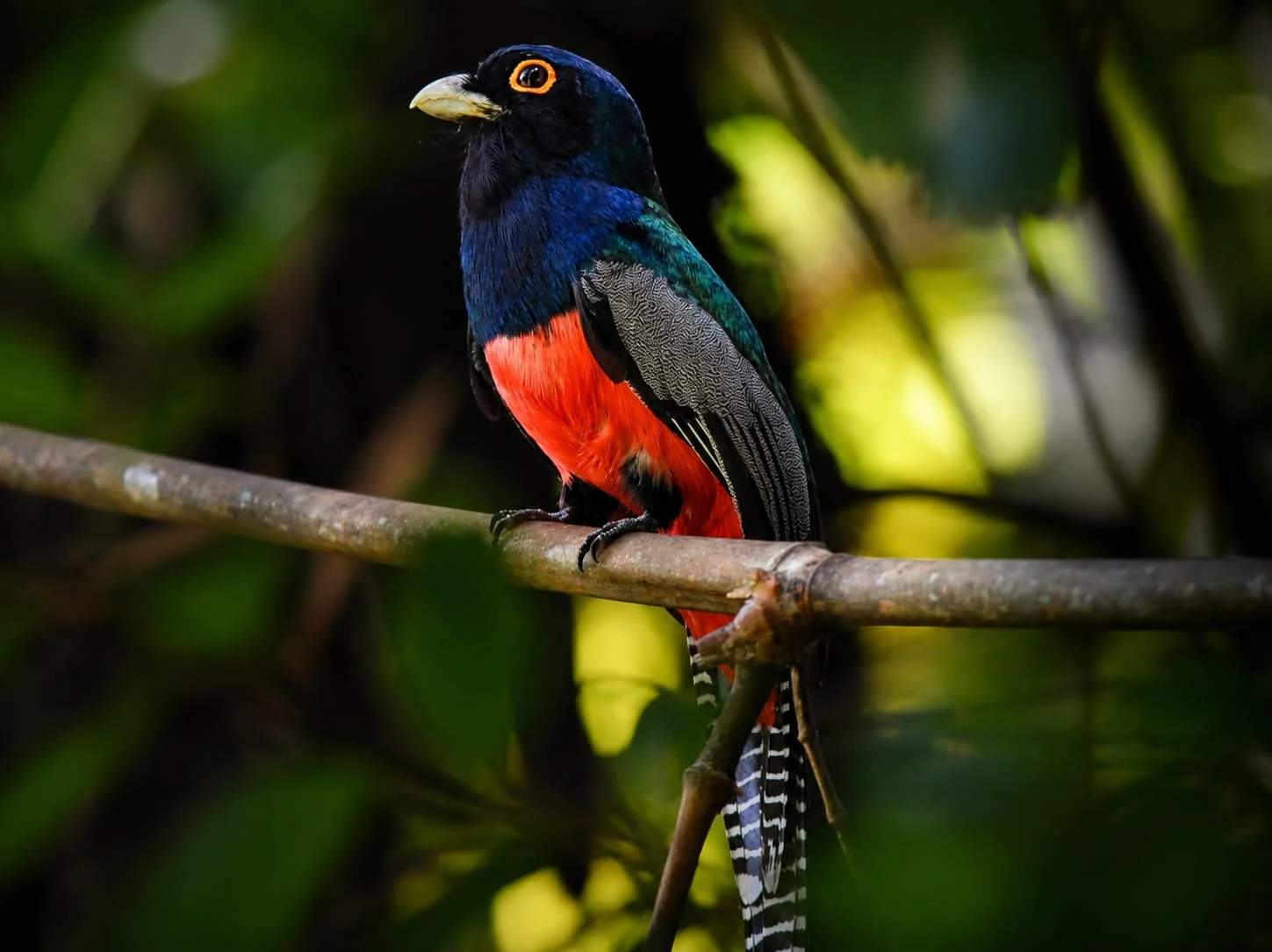
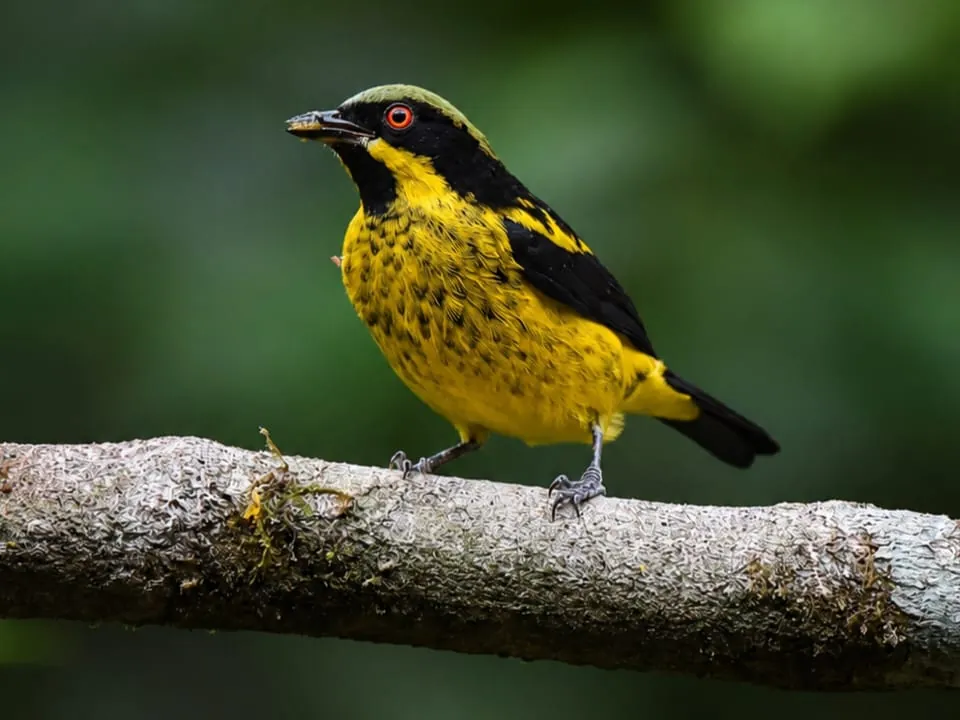
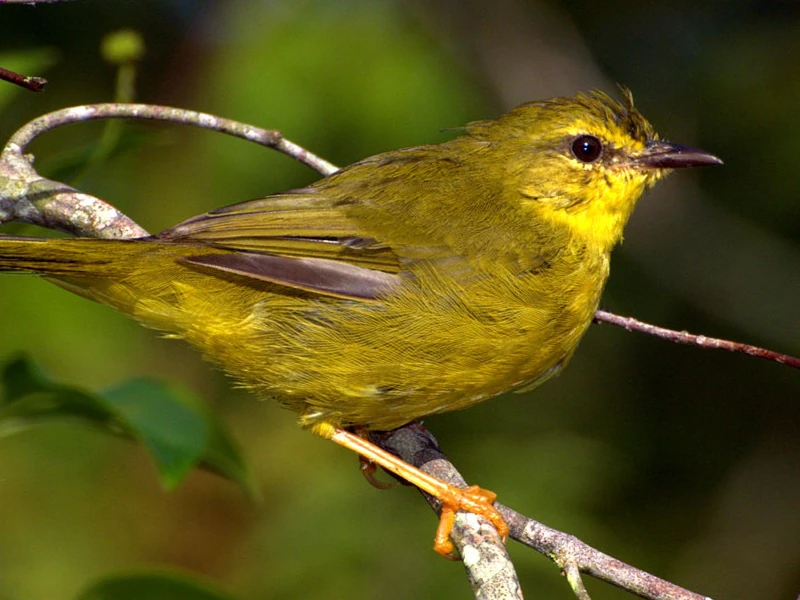
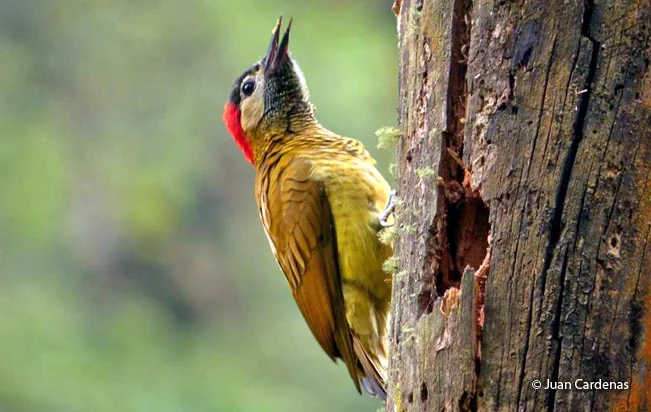
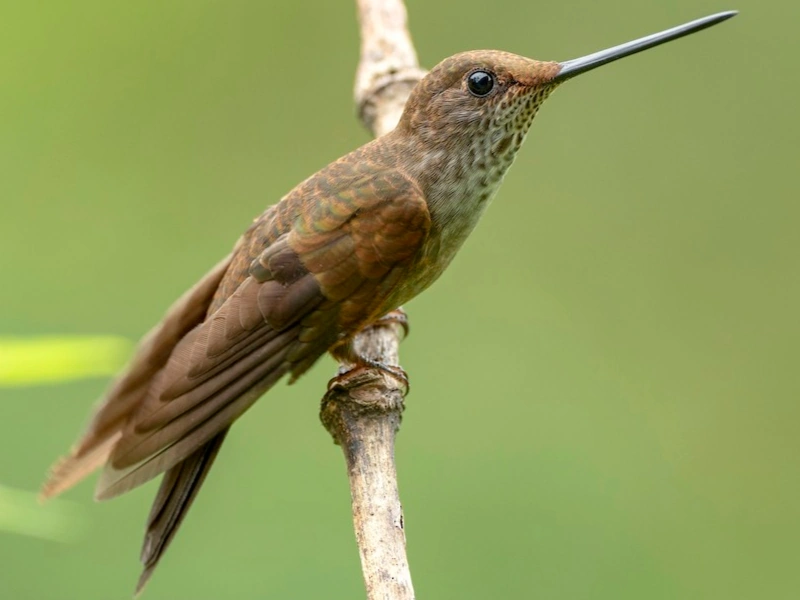
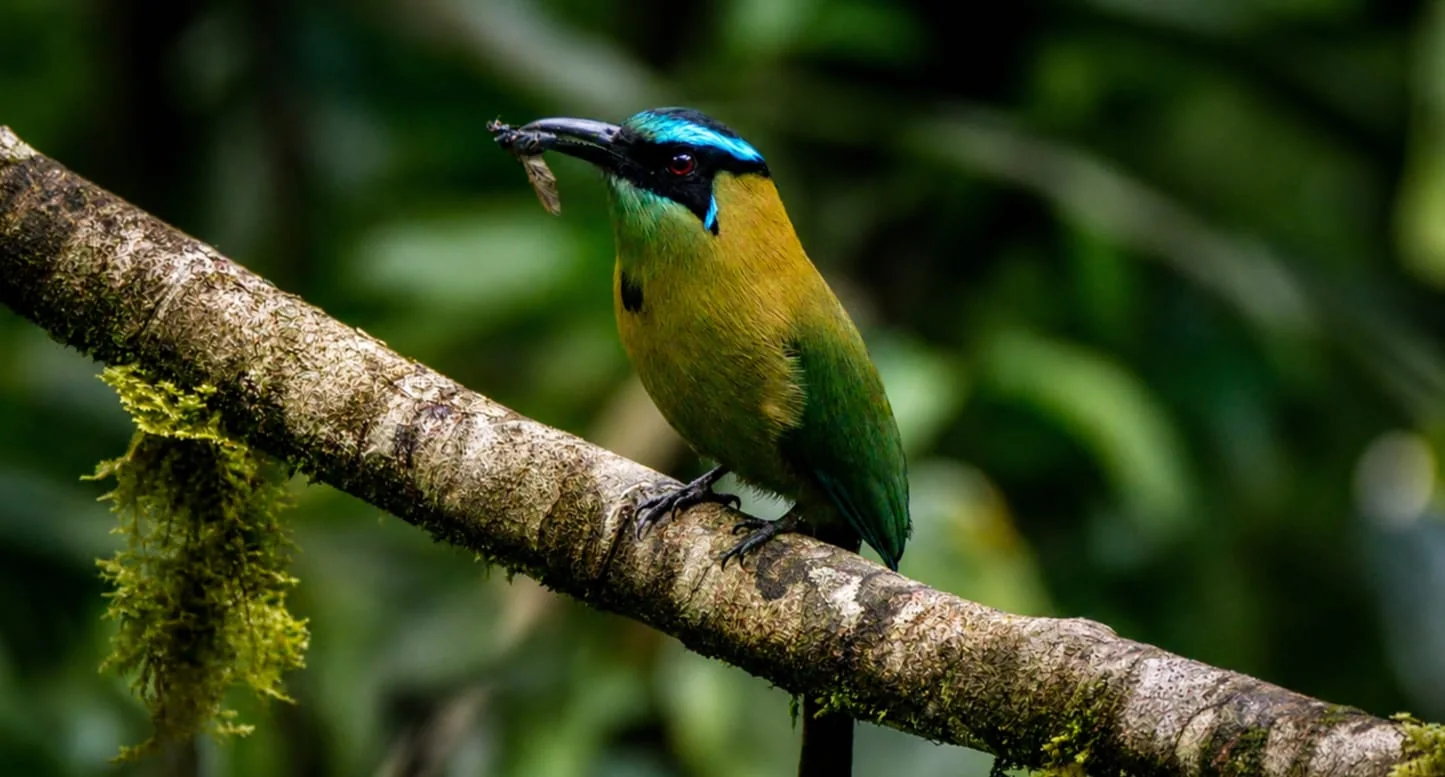
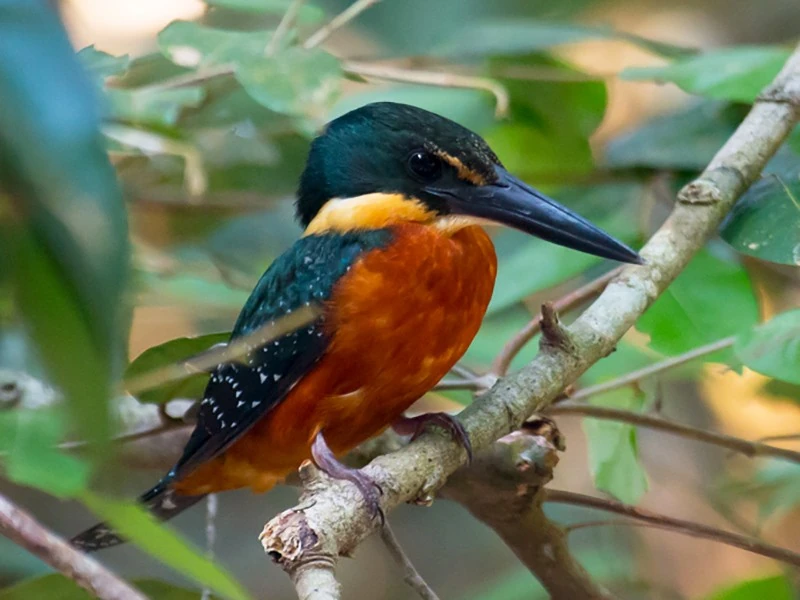
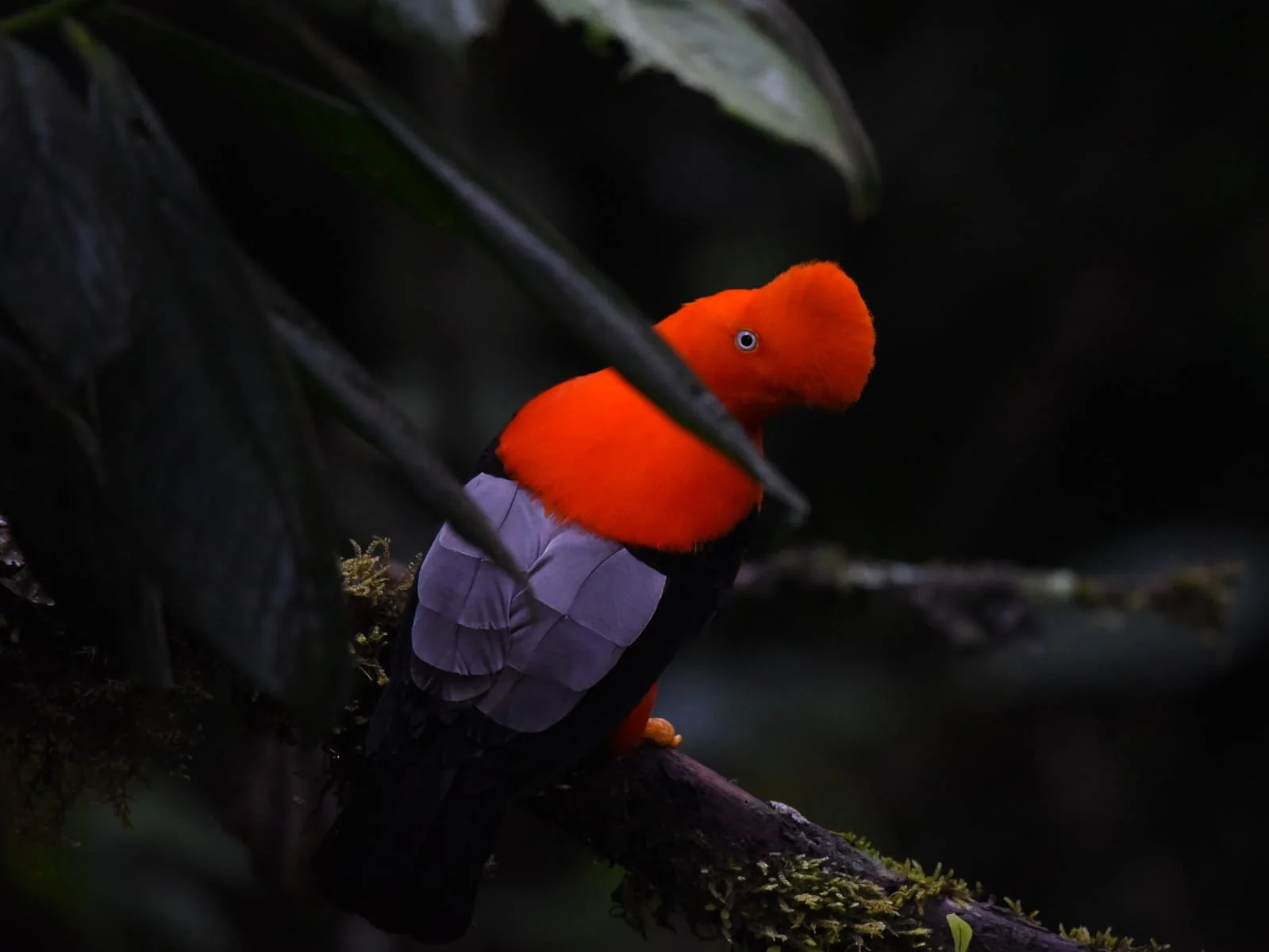
Home to more than 1,000 bird species, over 200 mammal species (including jaguars and giant river otters), and more than 15,000 species of vascular plants distributed across multiple ecological zones.
A structured system comprising the Core Zone (strictly protected), Reserved Zone (research and regulated tourism), Cultural Zone and Buffer Zone.
The SERNANP Management Plan ensures that tourism and scientific activities take place in strictly defined sectors to safeguard wildlife.
Community-Based and Sustainable Tourism
An area where human interaction, community-based tourism and sustainable tourism are permitted. It is also home to organized rural and Indigenous communities that practice traditional and respectful use of natural resources.
Regulated Tourism
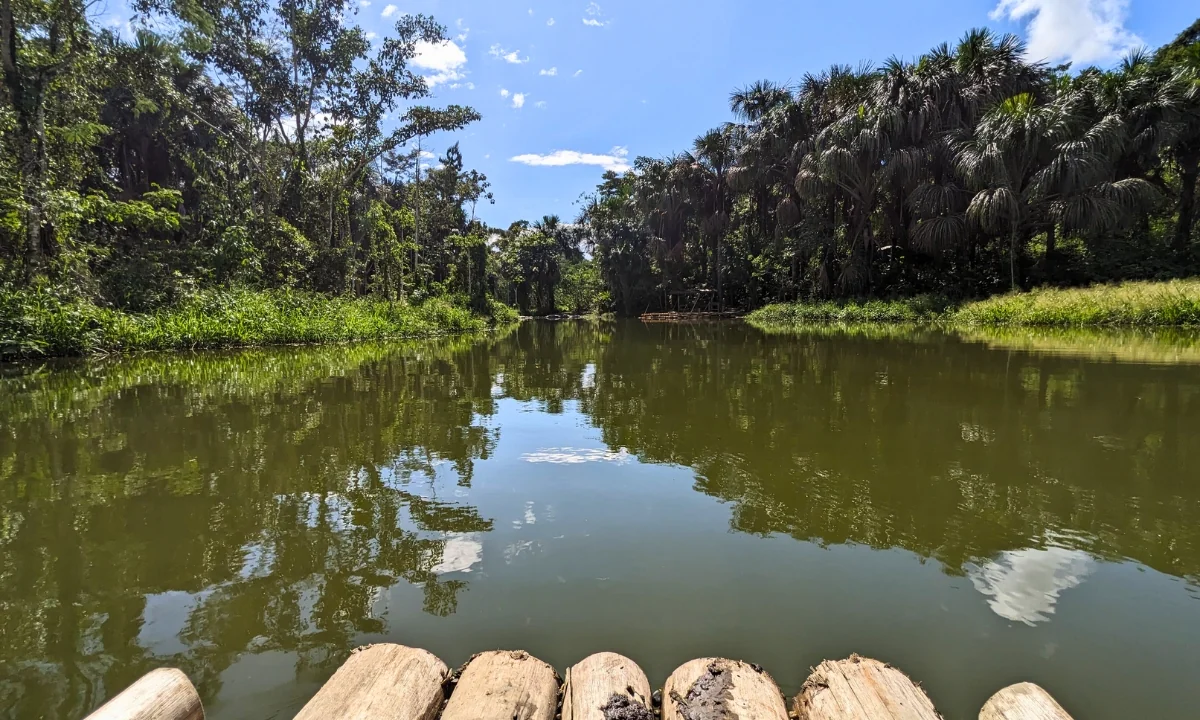
An area designated for regulated tourism and scientific research. It extends from the mouth of the Manu River to the Pakitza ranger station, famous for its oxbow lakes, which are home to giant river otters (Pteronura brasiliensis) and black caimans.
Access Prohibited
Strictly reserved for scientific research and the conservation of natural ecosystems. Human access is prohibited, except for authorized protection activities and non-invasive research, while also safeguarding Indigenous peoples living in voluntary isolation (uncontacted peoples).