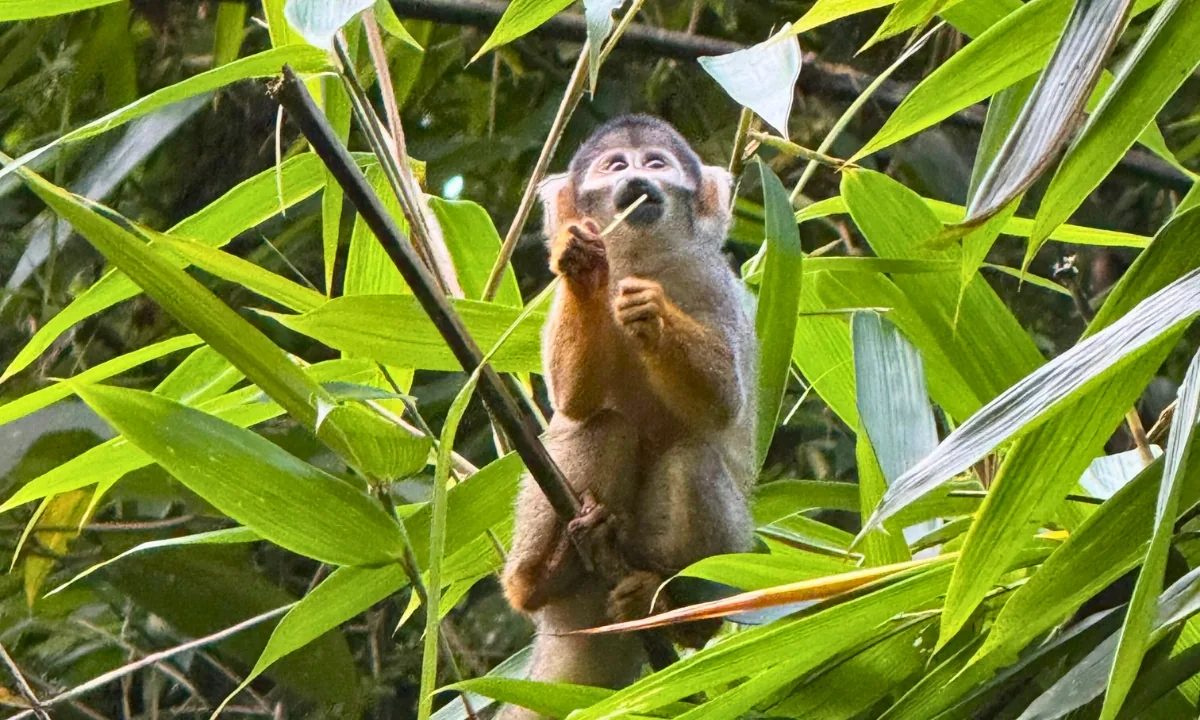
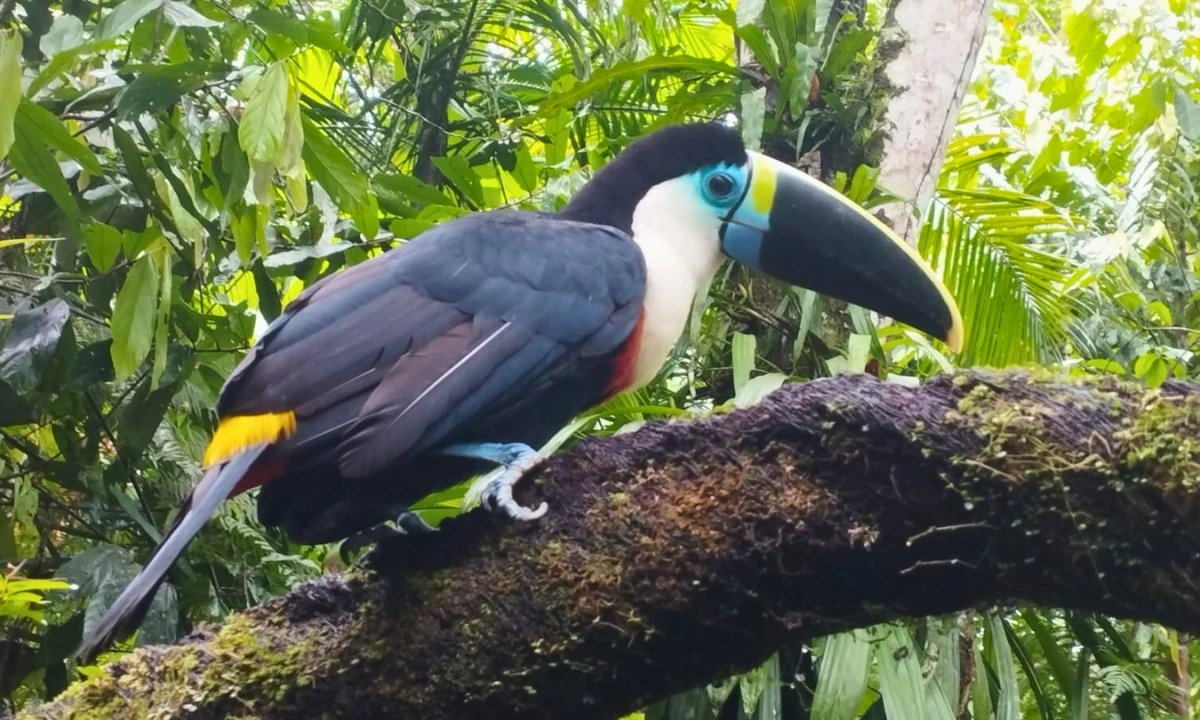
The Biodiversity of Manu National Park includes an extraordinary variety of animals and plants from around the world. Located in southeastern Peru, between the regions of Cusco and Madre de Dios, this destination encompasses diverse ecosystems, from montane and cloud forests to the Amazon lowland rainforest. This variety of ecosystems is home to numerous animal and plant species and has made Manu National Park a place recognized by UNESCO as a Natural World Heritage Site.
For those looking to learn about Peru’s wildlife, Manu offers opportunities to observe monkeys, birds, mammals, and reptiles in their natural habitats. Its wide variety of species makes this park one of the most important places for the conservation of wildlife in Peru.
Manu National Park: Wildlife
The wildlife of Manu National Park is known for its great diversity of species. From montane and cloud forests to the Amazon lowland rainforest, its different ecosystems provide shelter for a wide variety of animals. During hikes and river excursions, it is possible to observe some of these species in their natural surroundings.
In montane and cloud forests, humidity and mist create special conditions for wildlife. Farther down, in the tropical rainforest, the warm, humid climate supports the presence of numerous species. Monkeys, birds, reptiles, and mammals inhabit different parts of the forest, from the ground to the treetops.
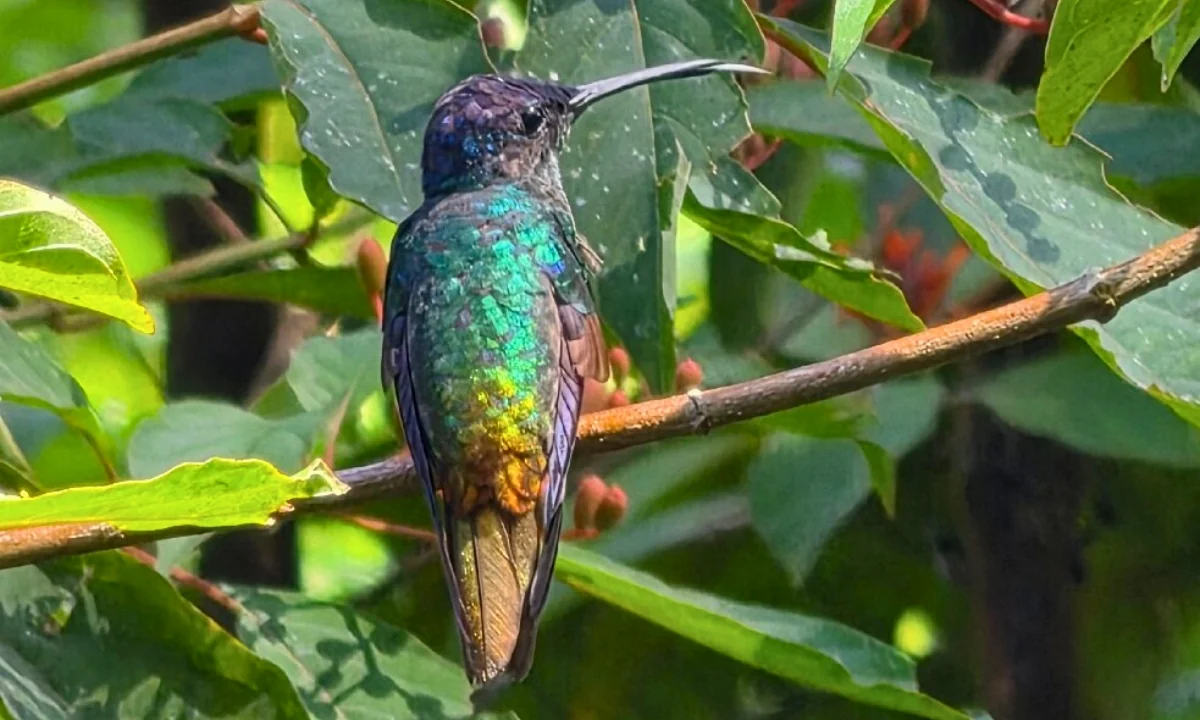
Flora and Fauna of Manu National Park
The biodiversity of Manu National Park includes an extraordinary variety of plants and animals. Its natural richness includes numerous species of mammals, birds, reptiles, and amphibians. These are the main groups of animals that inhabit the region:
Mammals of Manu
Manu National Park is home to 159 mammal species, ranging from small animals to large predators. Among them is the spectacled bear, the only bear native to South America, which lives mainly in the Andean forests. The giant otter, a mammal that feeds on fish and usually travels in family groups, lives in Amazonian rivers. Primates such as the spider monkey and the red howler monkey, known for their loud vocalizations, are also noteworthy. If you are lucky, you may spot a jaguar during rainforest excursions. It is one of the great cats of the Americas.
Birds of Manu
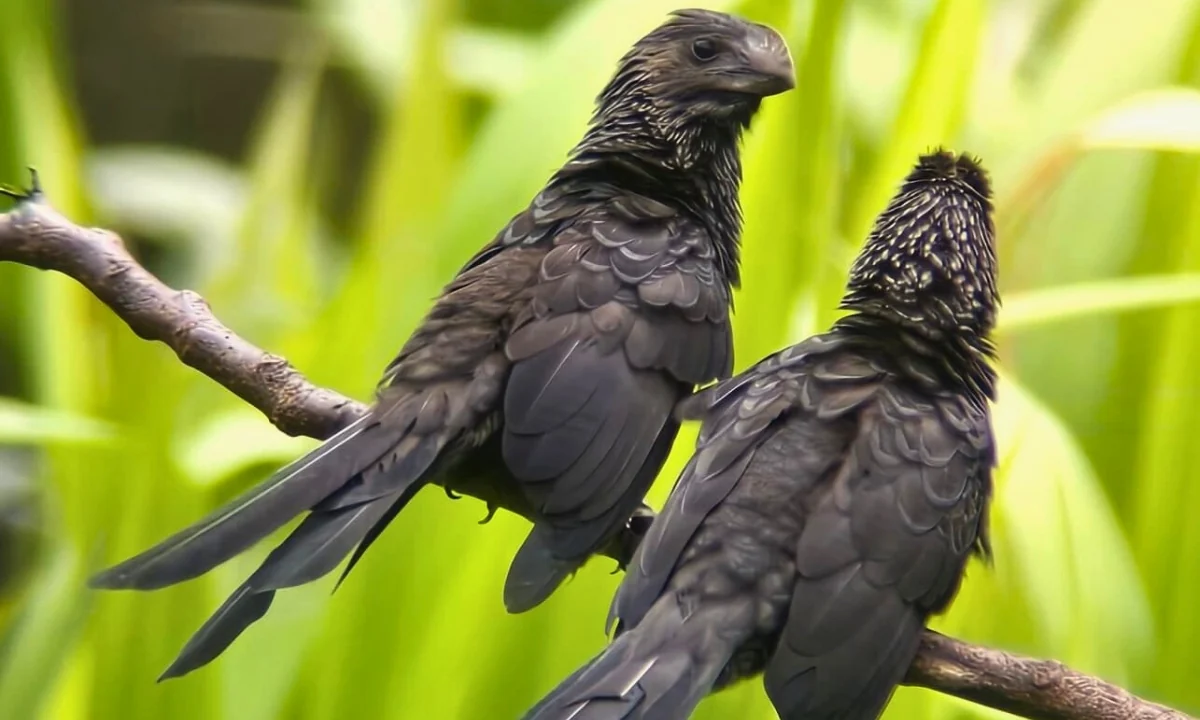
Manu National Park is home to more than 1,000 bird species, known for their varied colors, songs, and behaviors. One notable species is the Andean cock-of-the-rock, Peru’s national bird, which lives mainly in cloud forests. Manu is also famous for its diversity of parrots and macaws. Although both belong to the parrot family, macaws are generally larger and have long tails and striking plumage. Many of these birds visit clay licks, where they consume mineral-rich soil.
Reptiles of Manu
Manu National Park is home to 99 reptile species, including caimans, turtles, and snakes. The black caiman and the spectacled caiman live in Amazonian rivers and lagoons, known as oxbow lakes, where they often rest along the banks or on logs. Aquatic turtles such as the taricaya and various snake species that contribute to the forest’s natural balance can also be found here.
Insects of the Manu Jungle
Insects are the largest group in the rainforest and are part of the biodiversity of Manu National Park, although a definitive scientific classification has not yet been established for many of them because new species continue to be discovered. Within this immense group, scientists have managed to record the following varieties:
- Butterflies: 1,307 species with a wide variety of sizes, patterns, and colors.
- Ants: 300 species that perform important functions in the forest soil.
- Anisoptera: 136 dragonfly species that fly near rivers and lagoons.
- Bees: 650 species that contribute to plant pollination.
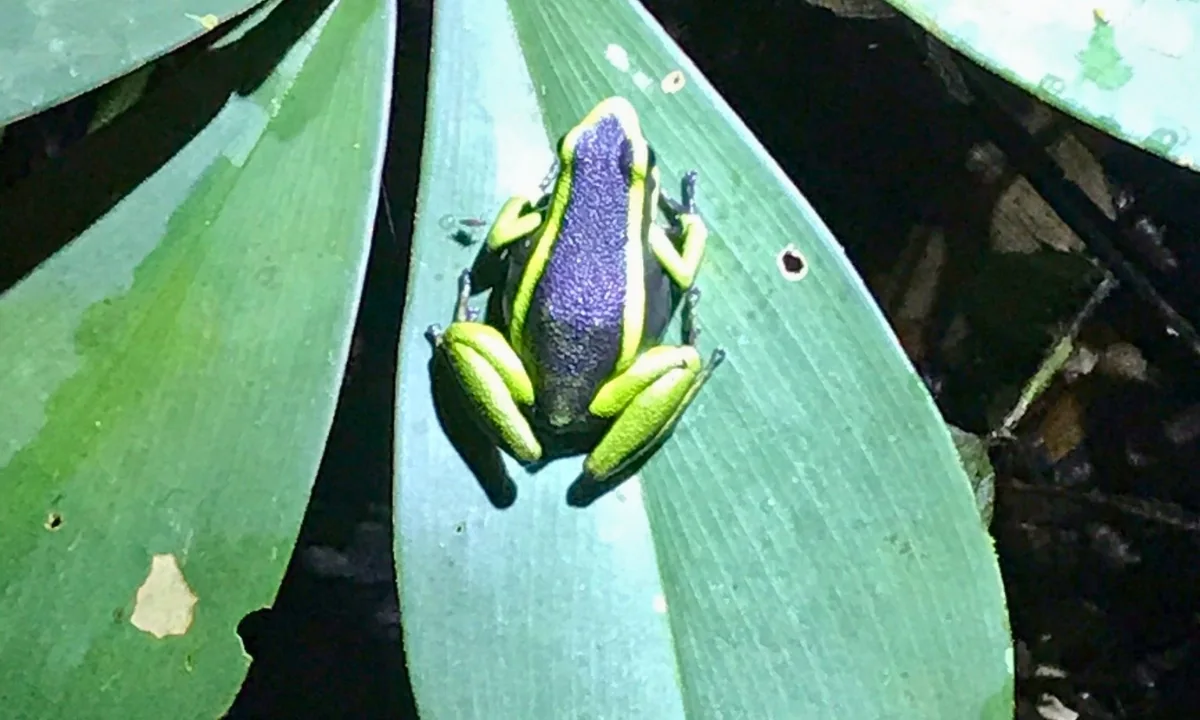
Ecotourism in Manu National Park
Traveling to this destination is an opportunity for families and nature photography enthusiasts. The biodiversity of Manu National Park can be experienced through different travel options that allow visitors to explore the Manu Biosphere Reserve responsibly.
Authorized agencies offer tours to Manu of varying lengths, depending on the time available and the areas travelers wish to visit. These excursions allow visitors to travel through the cloud forest, navigate Amazonian rivers, and explore lagoons where it is possible to observe wildlife in its natural surroundings.
Wildlife Conservation Challenges in Manu National Park
Despite being a protected area, the biodiversity of Manu National Park faces various threats. Climate change can alter rainfall patterns and affect the ecosystems where animals such as the spectacled bear and Andean birds live. In addition, illegal activities such as logging and mining can damage forests and pollute the water sources used by giant otters and other species.
Responsible tourism can contribute to the conservation of Manu’s biodiversity. By booking wildlife tours with authorized companies, travelers support the local economy and encourage tourism practices that respect nature. Likewise, the participation of local communities and the work of SERNANP park rangers are important for protecting this territory and preserving its species for future generations.
Frequently Asked Questions About the Biodiversity of Manu National Park
1. What is the difference between Manu and Tambopata National Reserve?
The Manu National Park stands out for its diverse ecosystems, from the Andes to the Amazon lowland rainforest. In contrast, Tambopata National Reserve is located mainly in the lowland rainforest and is more accessible from Puerto Maldonado. Manu offers a more remote exploration experience and a wide variety of landscapes and species.
2. Are jaguar sightings guaranteed on wildlife tours?
Jaguar sightings are not guaranteed because they live freely in their natural habitat. However, guides know their habits and the areas where they are often seen, which increases the chances of spotting them during boat trips along Manu’s rivers and beaches.
3. Is it safe to travel to Manu with young children and families?
Yes, traveling to Manu as a family can be safe if the trip is organized with a formal, authorized agency. It is important to choose a program suitable for children, with age-appropriate activities, guided excursions, safe transportation, and suitable accommodations so you can enjoy nature with peace of mind.
4. Why is Manu’s biodiversity in Peru so famous?
The biodiversity of Manu National Park is recognized worldwide for the wide variety of species and ecosystems it protects. Its territory extends from the Andes and cloud forests to the Amazon lowland rainforest, where animals such as spectacled bears, monkeys, caimans, and numerous tropical bird species live.
The extraordinary biodiversity of Manu National Park makes this destination an excellent choice for taking nature tours and learning about the natural wealth of the Peruvian Amazon. Its wide variety of animals and plants makes every excursion an opportunity to observe wildlife. Contact us and book your tour to Manu National Park.