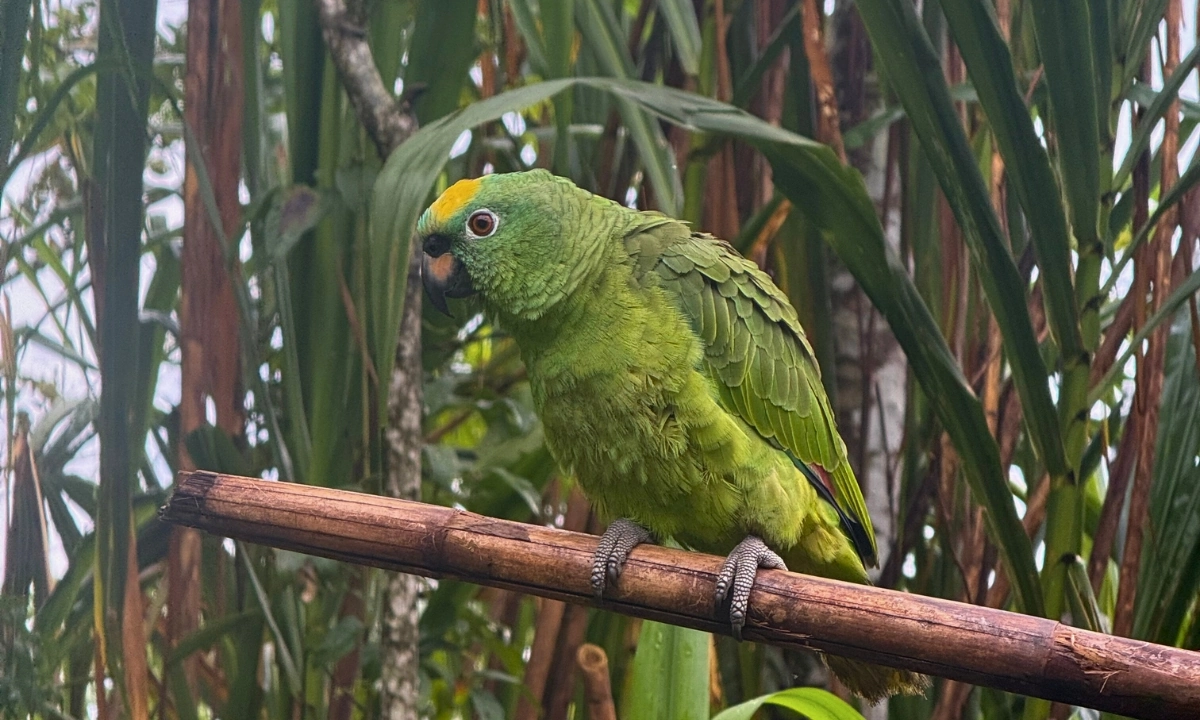
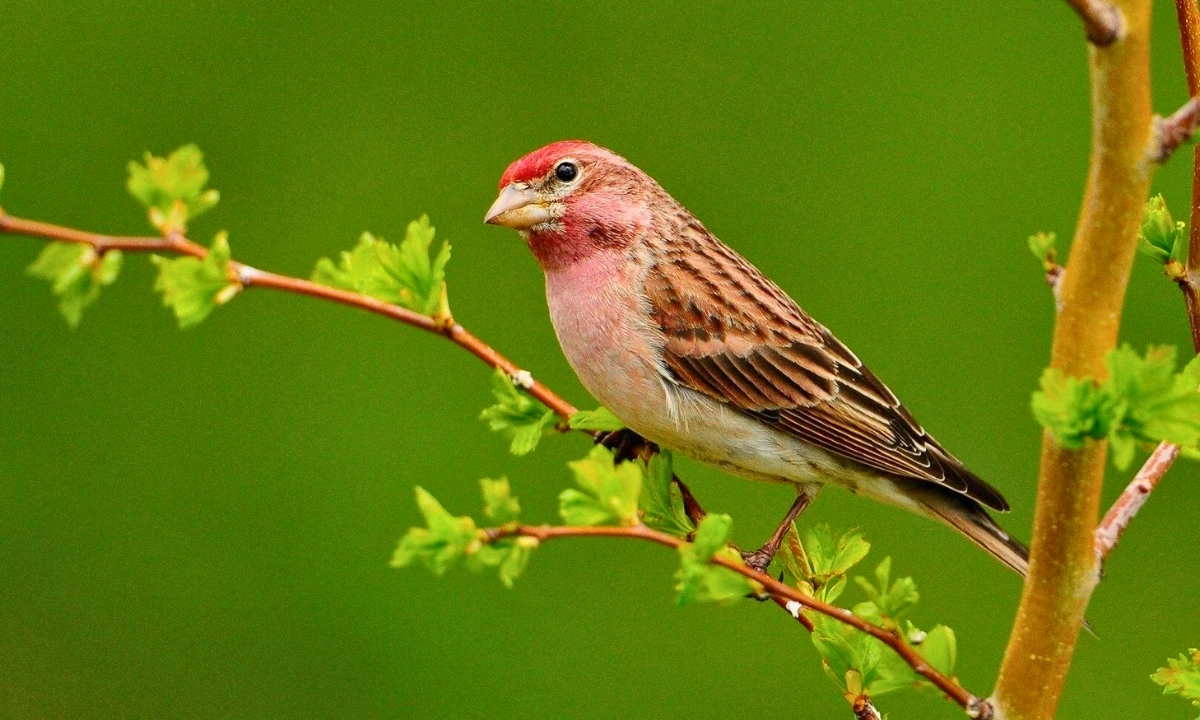
Bird photography in Manu National Park offers a fascinating experience for bird photography enthusiasts. In its cloud forests and tropical rainforests, you can observe and photograph a wide variety of bird species, from the Andean cock-of-the-rock to macaws, parrots, and toucans in their natural habitat.
During a bird photography expedition in Manu, you will have the opportunity to capture images of birds in the wild and document their behaviors. Manu National Park stands out for its extraordinary diversity, with more than 1,000 recorded bird species, making it an exceptional destination for bird photography in the Peruvian Amazon.
Why Choose Bird Photography in Manu National Park?
Manu National Park is one of the most biodiverse destinations in the world for bird photography, thanks to its variety of ecosystems. From mountain cloud forests to lowland tropical rainforests, each environment offers different opportunities to find species with distinct colors, sizes, and behaviors. This diversity makes every excursion an opportunity to capture unique photographs of birds in their natural habitat.
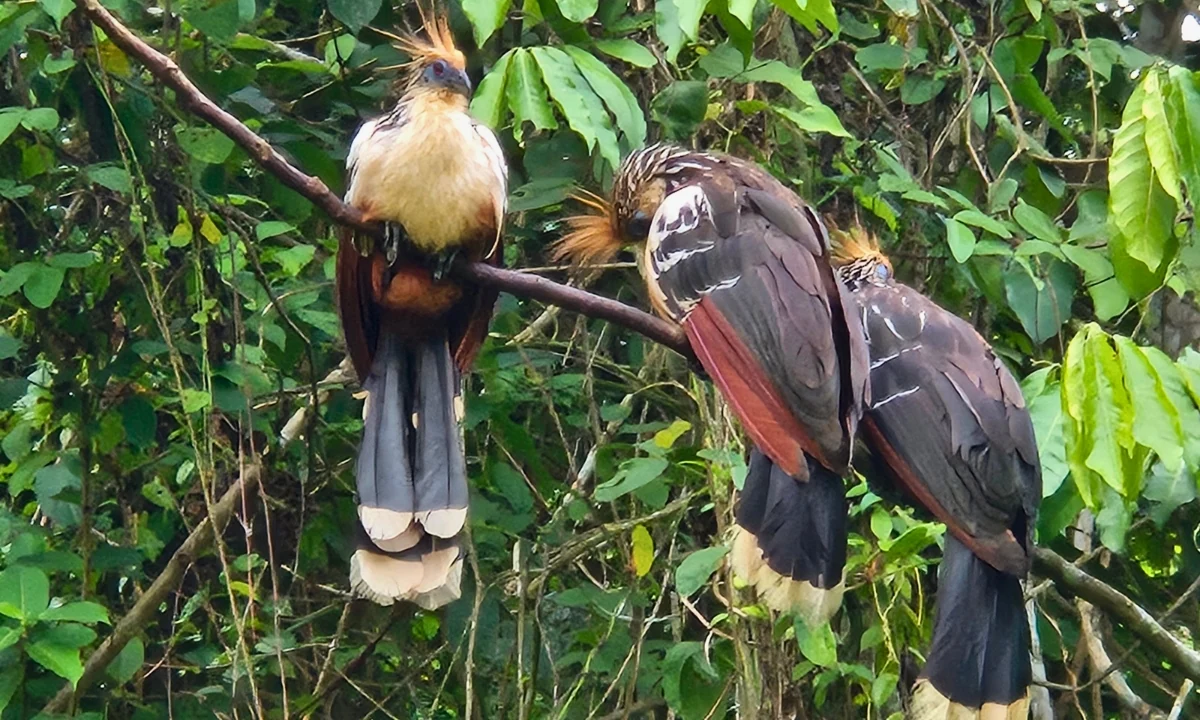
During a photography expedition to Manu, you can identify species with the help of bird guides, compare your observations with specialized books, and document each sighting with photographs. This experience is especially interesting for those who want to expand their image collections, document species in their natural habitat, and identify birds by their plumage, calls, and behavior. Manu’s bird diversity makes every day an opportunity to improve your wild bird identification and photography skills in the Peruvian Amazon.
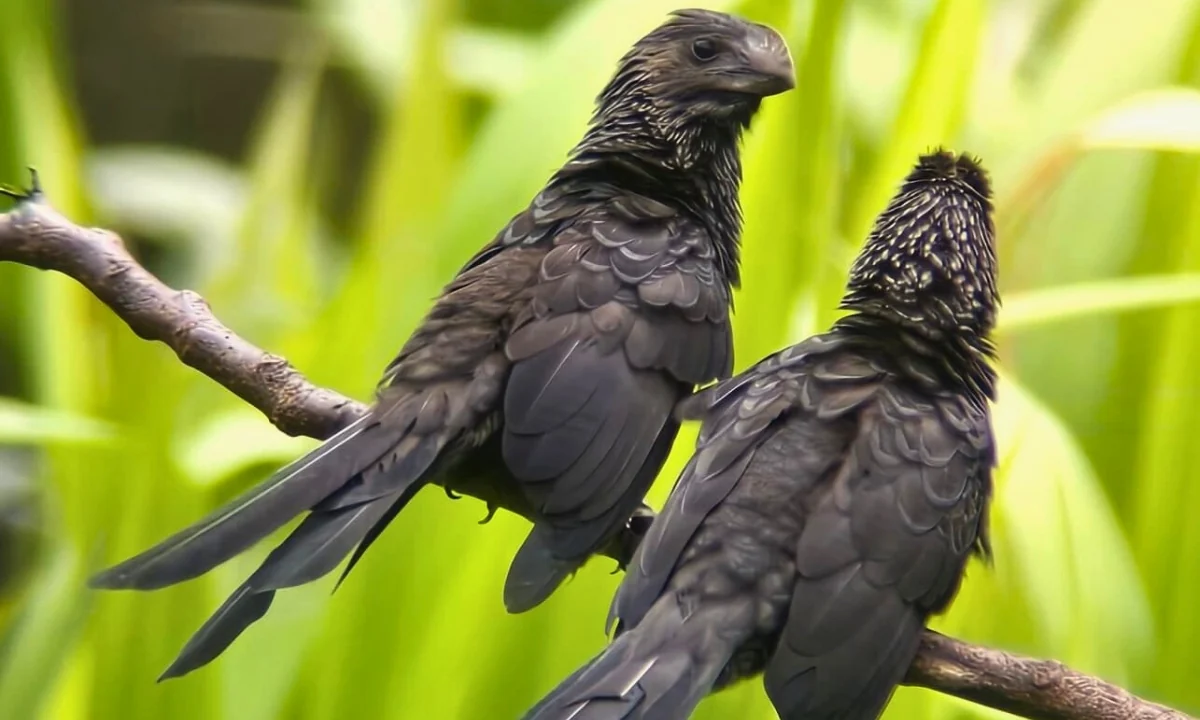
Essential Trip Information: What You Should Know Before Visiting Manu National Park
- Altitude: The route is very diverse, as it begins in the Andean highlands at more than 3,500 meters (11,483 feet) above sea level, descends through the cloud forest, and reaches the lowland rainforest at an altitude of around 300 meters (984 feet).
- Climate: The weather is cold and foggy in the higher areas, while the lowland rainforest is warm, tropical, and very humid, with rain that can appear suddenly at any time of day.
- Best Season: Trips are available year-round, but the period with less rainfall is between May and October, making it easier to travel along forest trails.
- Difficulty: The difficulty level is moderate, as most activities involve easy walks along Amazon rainforest trails and peaceful motorboat rides along the rivers.
- What to Bring: High-quality binoculars (8×42 or 10×42) to locate species before taking pictures, lightweight, long-sleeved clothing in green or brown colors to blend into the forest, waterproof ponchos to protect your equipment, and insect repellent.
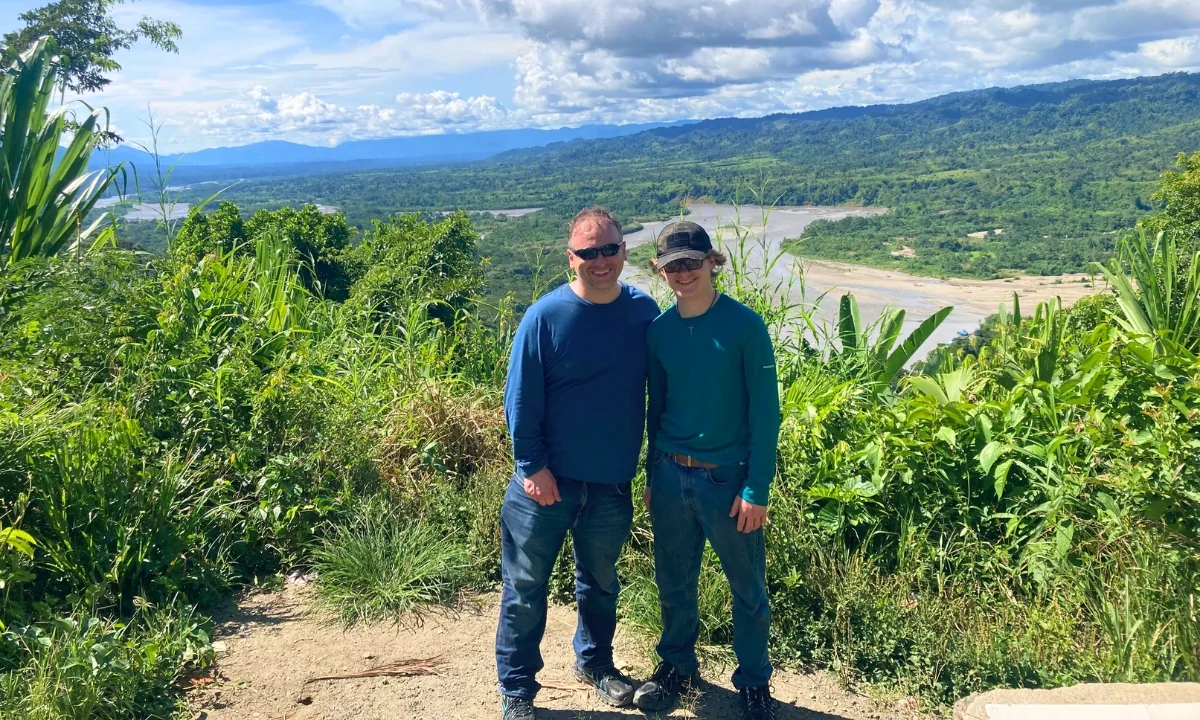
Make the Most of Your Birdwatching Tour in Manu
Having specialized local guides will help you identify birds by their calls, plumage, and behavior. During your excursions, you can photograph hummingbirds, toucans, birds of prey, parrots, and macaws while learning to recognize their characteristics and habitats. This experience will allow you to expand your image collection and make the most of bird photography in Manu National Park.
Bird Photography Tours in Manu
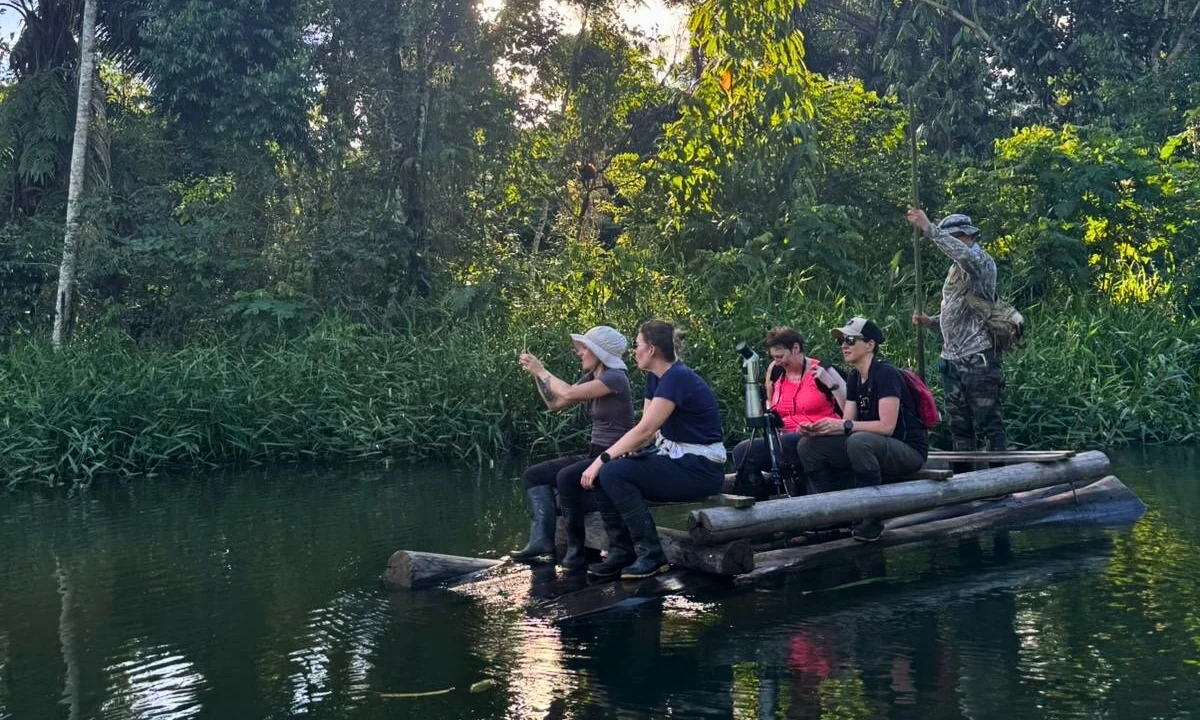
Bird photography tours in Manu National Park allow you to explore different habitats in the Peruvian Amazon and photograph wild species during expeditions of varying lengths.
- 13-Day Bird Photography Tour in Manu: an expedition that allows you to dedicate more time to bird identification and photography.
- 7-Day Bird Photography Tour in Manu: an option for combining birdwatching and photography over the course of a week.
- 5-Day Jungle Wonders Photography Tour: a shorter trip to photograph birds and other wildlife in the rainforest.
Bird Photography Tips for Your Trip to Manu
To make the most of bird photography in Manu National Park, it is important to prepare your equipment and learn a few tips for taking great pictures without disturbing the birds.
- Choose the right telephoto lenses: Lenses with a focal length of at least 300mm or 400mm are recommended so you can capture details of birds’ plumage without getting too close and frightening them away.
- Protect your equipment from moisture: The rainforest is a very humid environment. Bring waterproof covers for your camera and keep silica gel packets in your backpack to help prevent condensation on your lenses.
- Bring spare batteries and memory cards: Since you will spend many hours exploring the forest without access to electrical outlets, it is essential to pack several extra batteries and memory cards in your carry-on luggage.
- Adjust your camera for low-light conditions: Light is often limited inside the dense Amazon rainforest. Learn how to work with high ISO settings and fast shutter speeds to freeze the movement of birds perched on dark branches.
- Follow the protected area’s rules: Always keep a safe distance from nests, avoid making loud noises, and remember that using recorded bird calls (playback) to attract species is prohibited in strictly protected zones.
Frequently Asked Questions About Bird Photography in Manu National Park
1. What is the difference between photographing birds in Manu and Tambopata?
Manu extends from the Andes to the lowland rainforest, while Tambopata is characterized by its lowland tropical forests. Both destinations offer opportunities to photograph wild birds.
2. Do you need to be a professional photographer to take this bird photography tour in Manu?
No, bird photography in Manu National Park is suitable for both beginners and experts. The important things are patience and the right equipment.
3. What are the best places to photograph birds in Manu?
Cloud forests, canopy observation towers, and the banks of the Manu and Madre de Dios rivers are outstanding places for bird photography in Manu National Park.
4. Is it safe to travel to the Manu rainforest with expensive photography equipment?
Yes, as long as you protect your equipment from moisture and rain with waterproof covers and store it safely during transfers.
Bird photography in Manu National Park is an opportunity to observe and capture the diversity of species that inhabit its cloud forests and tropical rainforests. Plan your expedition with an itinerary tailored to your interests and the time available.Book your bird photography trip in the Peruvian Amazon with us.