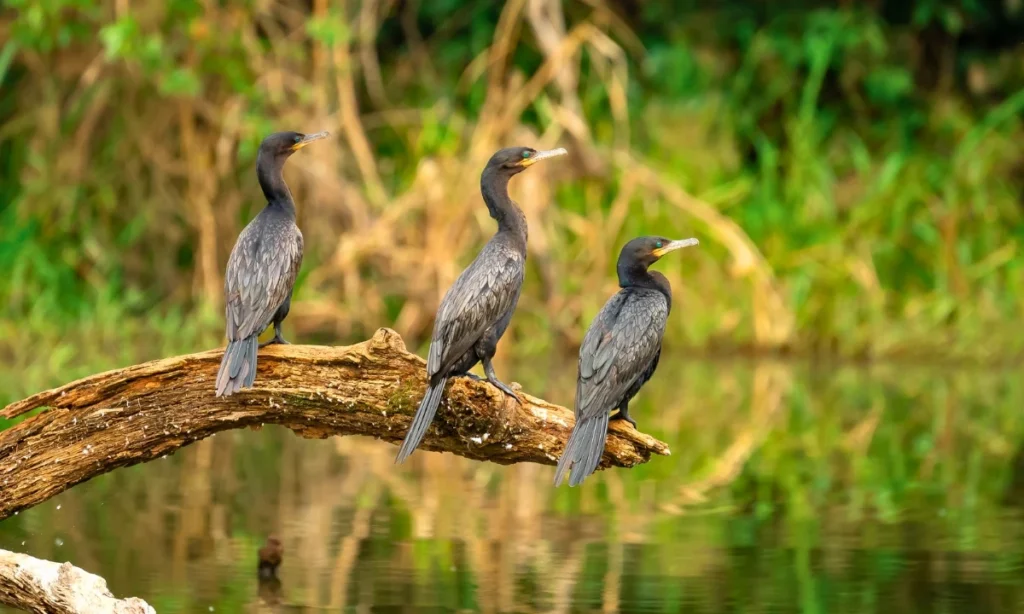
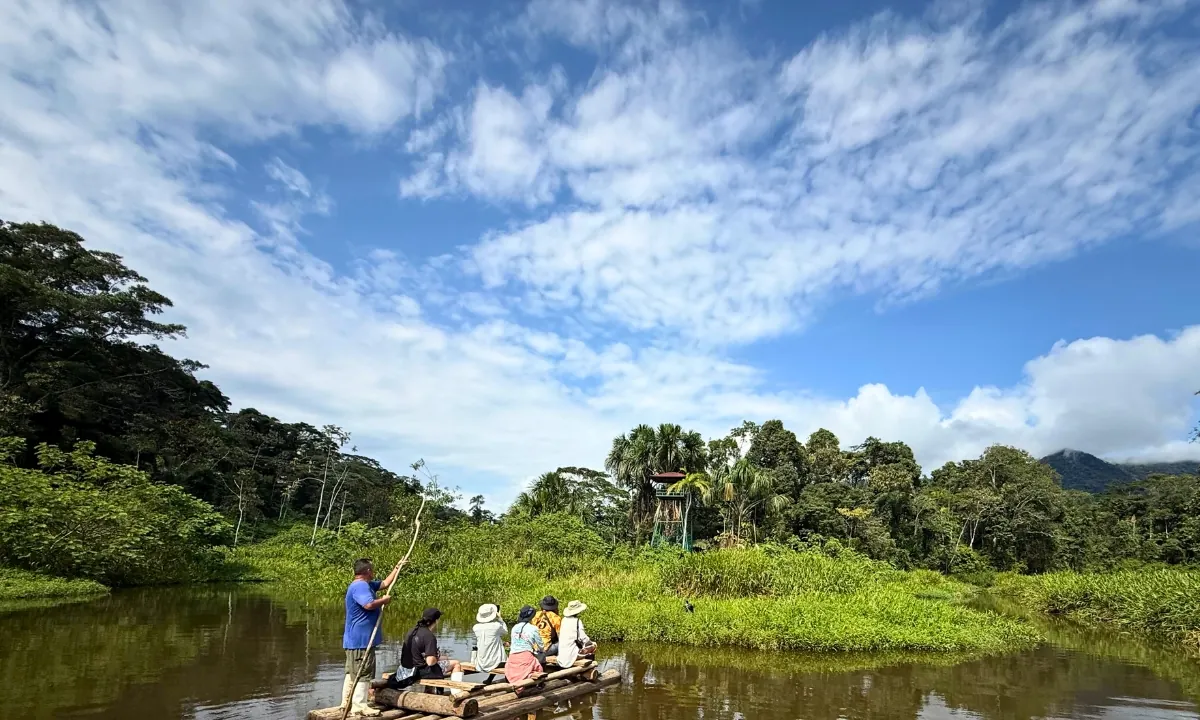
Manu National Park, located in southeastern Peru, protects an extraordinary diversity of ecosystems, from the Andes and cloud forests to the Amazon tropical rainforest. This variety of landscapes is home to a rich diversity of flora and fauna, including the Andean cock-of-the-rock, the spectacled bear, monkeys, and the giant otter.
In this guide to Manu National Park, you will learn about its main attractions, how to get there, and what you need to know to plan your trip. You will also learn about the differences between the park, the Manu Biosphere Reserve, and Tambopata National Reserve, other important natural areas in the Peruvian Amazon.
Location of Manu National Park
Manu National Park is located east of the Eastern Cordillera of the Andes, between the departments of Cusco and Madre de Dios. You can reach it by road along the route through Paucartambo and Kosñipata, or by small aircraft, depending on the services available. To visit the park, it is recommended that you book with a specialized and authorized tour operator.
Manu National Park and Its Wildlife
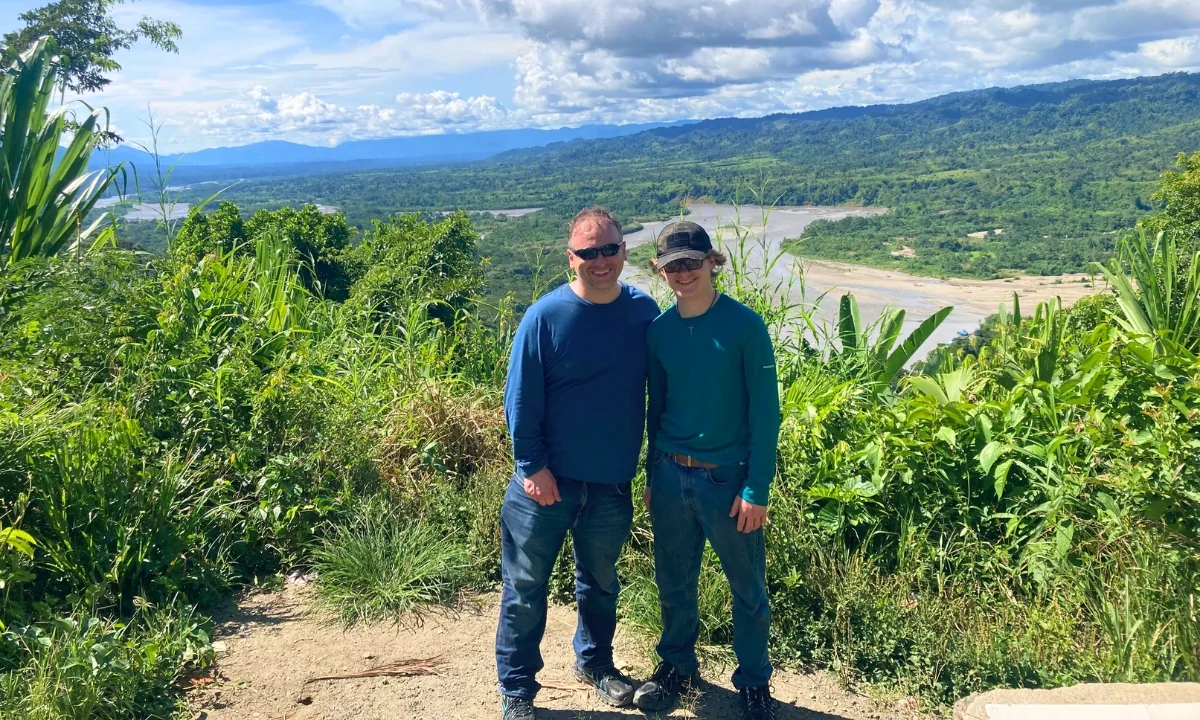
Manu National Park protects extraordinary biodiversity across a range of ecosystems, from the Andes and cloud forests to the Amazon tropical rainforest. This variety of ecosystems is home to numerous species of birds, mammals, reptiles, and plants.
During excursions along its trails and rivers, you can observe animals in their natural habitats, such as the Andean cock-of-the-rock, monkeys, caimans, and giant otters. These natural treasures make Manu a leading destination for wildlife viewing in Peru.
On a tour of Manu National Park, you can explore its natural landscapes and enjoy birdwatching and wildlife viewing experiences accompanied by specialized guides.
Attractions of Manu National Park
Manu National Park, located between Cusco and Madre de Dios, stands out for its extraordinary biodiversity and cultural richness. Its diverse ecosystems are home to thousands of plant and animal species, as well as Indigenous communities that preserve their traditions and ancestral knowledge.
Flora of Manu National Park
The variety of climates and altitudes supports a wide diversity of plants in Manu National Park. Its forests are home to giant trees, orchids, ferns, palm trees, and species such as Brazil nut trees and kapok trees. This vegetation provides food and shelter for numerous wildlife species.
Wildlife of Manu National Park
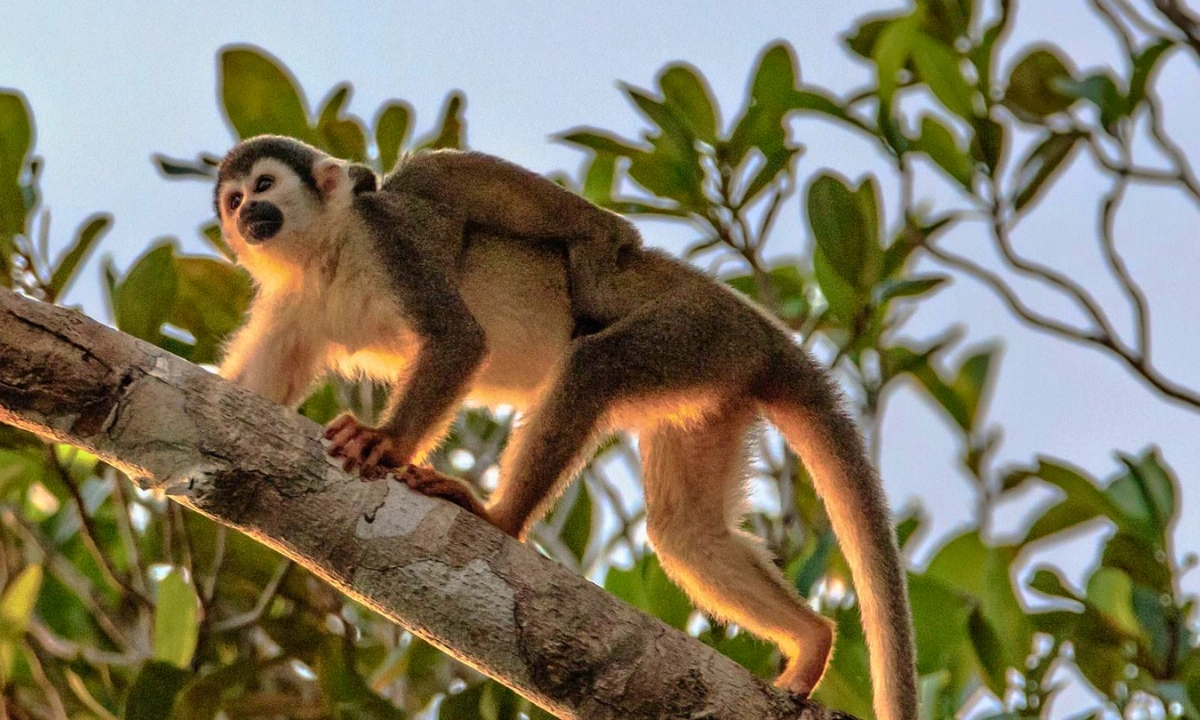
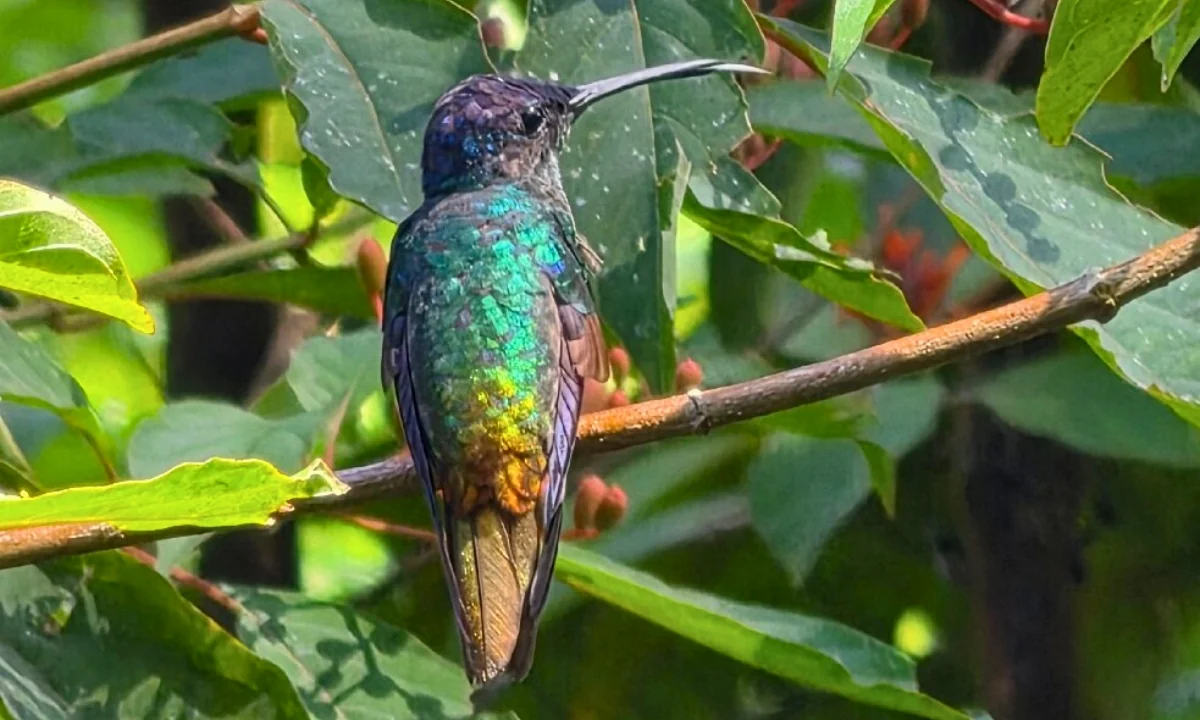
Manu is an exceptional destination for wildlife viewing and birdwatching in the Peruvian Amazon. Notable animals include the jaguar, spectacled bear, monkeys, tapir, and giant otter. The park is also home to hundreds of bird species, including parrots, macaws, and the Andean cock-of-the-rock. In certain areas, you can observe birds visiting clay licks to consume clay.
Indigenous Peoples of Manu National Park
Manu National Park and its surrounding area have significant cultural richness. The Indigenous peoples of the region include the Matsigenka, Yine, and Harakbut, as well as Indigenous peoples living in voluntary isolation and initial contact. Their traditional knowledge is closely connected to the Amazonian forests and rivers. Responsible tourism in authorized areas can help visitors appreciate these cultures and promote nature conservation.
Benefits of Visiting Manu National Park
- Explore the biodiversity of the Peruvian Amazon: Travel through tropical rainforests and cloud forests with an extraordinary variety of flora and fauna.
- Observe birds in their natural habitats: See the Andean cock-of-the-rock, parrots, macaws, and other species while birdwatching in Manu.
- Visit parrot and macaw clay licks: Observe these birds gathering on clay walls, especially at sunrise.
- Spot rainforest mammals: With some luck, you may see giant otters, monkeys, capybaras, and other wildlife species.
- Photograph landscapes and animals: Capture images of rivers, lakes, mountains, and animals in the wild.
- Learn about Amazonian culture: Learn about the traditional knowledge and customs of native communities with local guides.
- Enjoy rainforest excursions: Go hiking, take boat rides, and explore the area to observe nature.
- Discover different ecosystems: Explore the transition between the Andes, cloud forests, and the Amazon rainforest.
Frequently Asked Questions About Manu National Park
1. Where is Manu National Park located, and how do you get there?
Manu National Park is located between the departments of Cusco and Madre de Dios in southeastern Peru. You can travel from Cusco by road, passing through Paucartambo and the cloud forest to the authorized access area. Some routes include river transportation. Booking with a specialized tour operator is recommended to organize your visit.
2. What tour options are available for exploring Manu National Park?
Manu tours are available in different durations, ranging from 3- or 4-day programs to expeditions lasting 5 days or more. Routes may include rainforest hikes, boat rides, and bird and mammal watching. Activities and the areas visited depend on the itinerary, permits, and access conditions.
3. What should you pack for Manu National Park?
For your trip to Manu National Park, bring lightweight long-sleeved clothing, long pants, hiking boots, a rain jacket, a hat, sunscreen, and insect repellent. A flashlight, binoculars, a camera, and a reusable water bottle are also useful. Check with your tour operator to see if you need additional equipment for the scheduled activities.
4. What is the best time to visit Manu National Park?
You can take tours to Manu National Park throughout the year. From May to October, rainfall generally decreases, while rain is more frequent from November to April. Each season offers different conditions for exploring the rainforest and observing wildlife. However, the Amazon’s weather varies throughout the year.
Explore the biodiversity of the Peruvian Amazon with Wildlife Nature Peru and enjoy rainforest excursions, birdwatching, and encounters with wildlife in its natural habitat.
Discover the main attractions of Manu National Park, from cloud forests to tropical rainforests, and experience the natural richness of one of the most biodiverse regions of Peru. Book with us and plan your adventure to Manu.